This week we look at new developments in the science of cancer with Fiona Watt and Andy Futreal, we will see how new gene technologies could be key to understanding cancer, and knowing the role of stem cells could be essential to find effective cures. Meanwhile, Dave tells you how to make your own electric slime.
In this episode
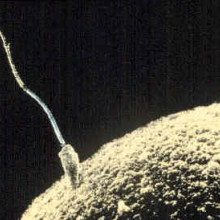
Stem Cell Sperm
In 2006 Professor Karim Nayernia and his group persuaded mouse embryonic stem cells to become sperm producing cells and then used the sperm to create healthy baby mice. They have recently managed a similar feat of biological engineering, using stem cells from human adult bone marrow. These are not normal bone marrow stem cells but what are known as mesenchymal stem cells, which come from a slightly different population.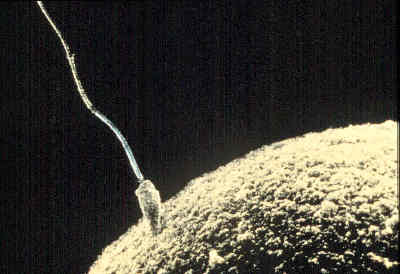
These mesenchymal stem cells are the most malleable type of stem cells that we know of in adults; they can go on to form many other body tissues including muscles. The group, based at Newcastle University, grew these cells in a laboratory and treated them so they developed into male reproductive cells called germ cells. They found some partly developed sperm cells known as spermatogonial stem cells, one of the early steps to sperm production. The next step for them is to see if they can grow mature sperm from these stem cells.
These experiments are really exciting because they use adult stem cells. There has been a lot in the news on embryonic stem cells in recent years as they can turn into many different tissues, but there are ethical questions on using them, especially those from human embryos. So finding really malleable cells from adult stem cell populations could be really exciting for the future; it could eventually be a route to infertile men being able to father their own children.
Logging Bad News for Elephants
It seems that the opening up of forests by roads for logging companies could be leading to the demise of forest elephants in West Africa, according to a study published by a team of scientists the World Conservation Society (WCS). They trekked over 8000km through the African forest to take a census of elephant numbers.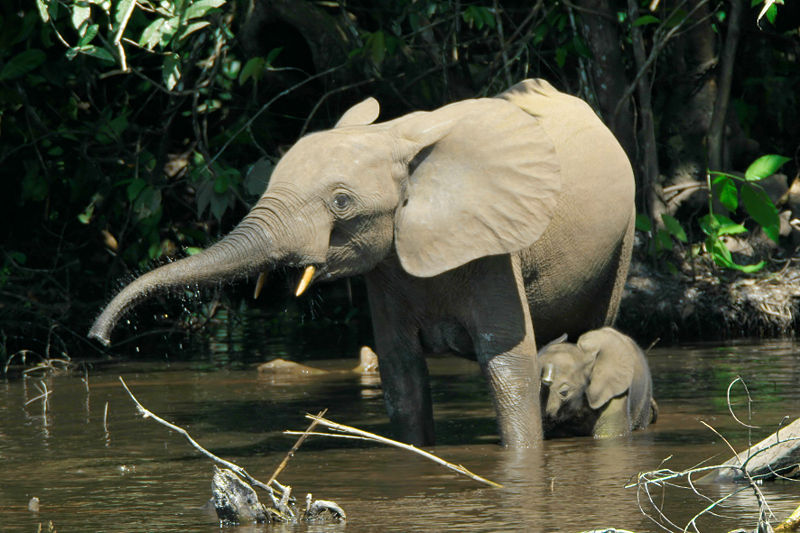
Counting forest elephants is not an easy business - partly as dense forest means that you can't just fly over the area to spot and count them unlike their savannah dwelling cousins, and also because you don't want to get too close to the elephants as they are well known to be aggressive. So instead the research team searched for clues that the elephants left behind in the forest - the most reliable being their dung.
Worryingly they found very low numbers, with less than one elephant in each sq km of forest. More concerning is that they found less dung close to the roads. These roads have been built penetrating further and further into the forests to allow timber companies access to the valuable trees. Instead of finding evidence for live elephants close to roads, they actually found more carcasses with their tusks removed. This suggests that these roads bring not just the logging companies but also elephant poachers that come for the ivory and the meat.
Trading ivory is banned by the Convention on International Trade in Endangered Species (CITES) but since 2004 prices have quadrupled - it is now worth over $850 /kg. Sadly this continuing demand for ivory could lead to these incredible creatures being wiped out.

Teenage Brains Built for Risk Taking
Were you a teenage tearaway? Well, it's well known that teenagers often engage in risky behaviour, but a group of psychologists at Temple University in the USA have suggested that this risk taking behaviour is due to the way the teenage brain is developing.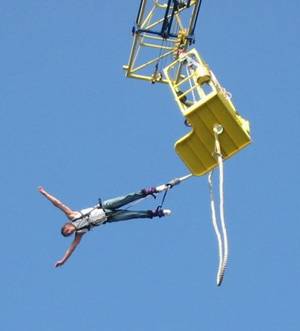
The researchers have been looking at previous studies into teenage brains over the last decade and have come up with a reason why adolescents tend to show risky behaviour. They believe it is due to two different networks developing in the brain at different speeds. One is the socio-emotional system that starts developing during puberty and processes social and emotional into. This allows teenagers to experience more intense emotions and be more susceptible to peer pressure. The second is the cognitive control system that regulates behaviour and helps people to make mature decisions. But this second one only starts to develop later in puberty and into the early twenties. So out of the two conflicting systems the one that makes teenagers more risky develops first. The researchers say this could explain why teenagers may be more likely to take risks under influence of peer pressure, and that increasing the age for buying cigarettes and alcohol may help to make it harder for teenagers to engage in reckless behaviour before their 'sensible system' kicks in.
Humpback Whales are Mammal Migration Kings
Humpback whales are record breaking swimmers - they have been recording as migrating further than any other mammals, according to scientists in the USA. They clocked the whales as travelling over 5100 miles from Costa Rica in Central America to their feeding grounds in Antarctica.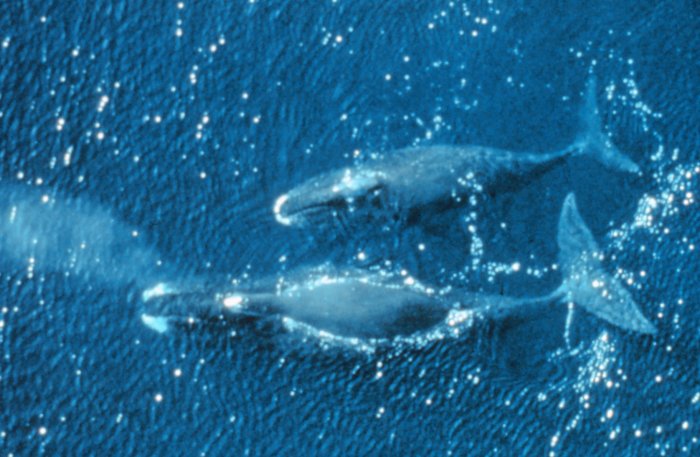
They used a traditional method to collect the data, rather than complex satellite tracking - recognising individual whales by the shape and colour of their tails. As a whale ages, it get small nicks and cuts in its huge tail, as well as species like barnacles taking up residence on it. This means that individuals can be told apart by taking a photograph and studying the differences in the tails. The researchers collected photos of at whales in both Costa Rica and Antarctica and recognised the same whales in both areas.
Apart from the fact that the whales migrate so far, another interesting part of this study is that it proves that humpbacks do migrate to warmer waters in the winter. They also used satellite data on sea surface temperatures to show that in years where the temperatures in Costa Rica were cooler, the whales actually travelled even further north, away from Antarctica, to warmer areas to stay comfortable over the winter before swimming all the way back down in the spring to the feeding grounds.
Do genes affect our skills?
The idea that skills we have acquired in life are inherited is known as Lamarckism, and although this was once a widely held belief it is now thought to be wrong. Skills and abilities are most likely to have developed as a result of the environment you were brought up in, a case for nurture rather than nature. There is some genetic data to suggest that certain abilities, like the ability to recognise 'perfect pitch', have a genetic component. This wouldn't mean you would be born with musical ability, but being able to reproduce music more accurately than most may make you more likely to decide to get into music, and develop your musical skills.
17:54 - Science Update - Tobacco and Tanning
Science Update - Tobacco and Tanning
with Chelsea Wald and Bob Hirshon
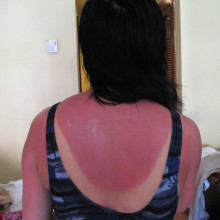
Bob - This week for the Naked Scientists, we're going to highlight two ways you can lower your risk of cancer. I'm going to answer a listener's question about suntanning, but first, Chelsea has this report on a new research that could help smokers quit.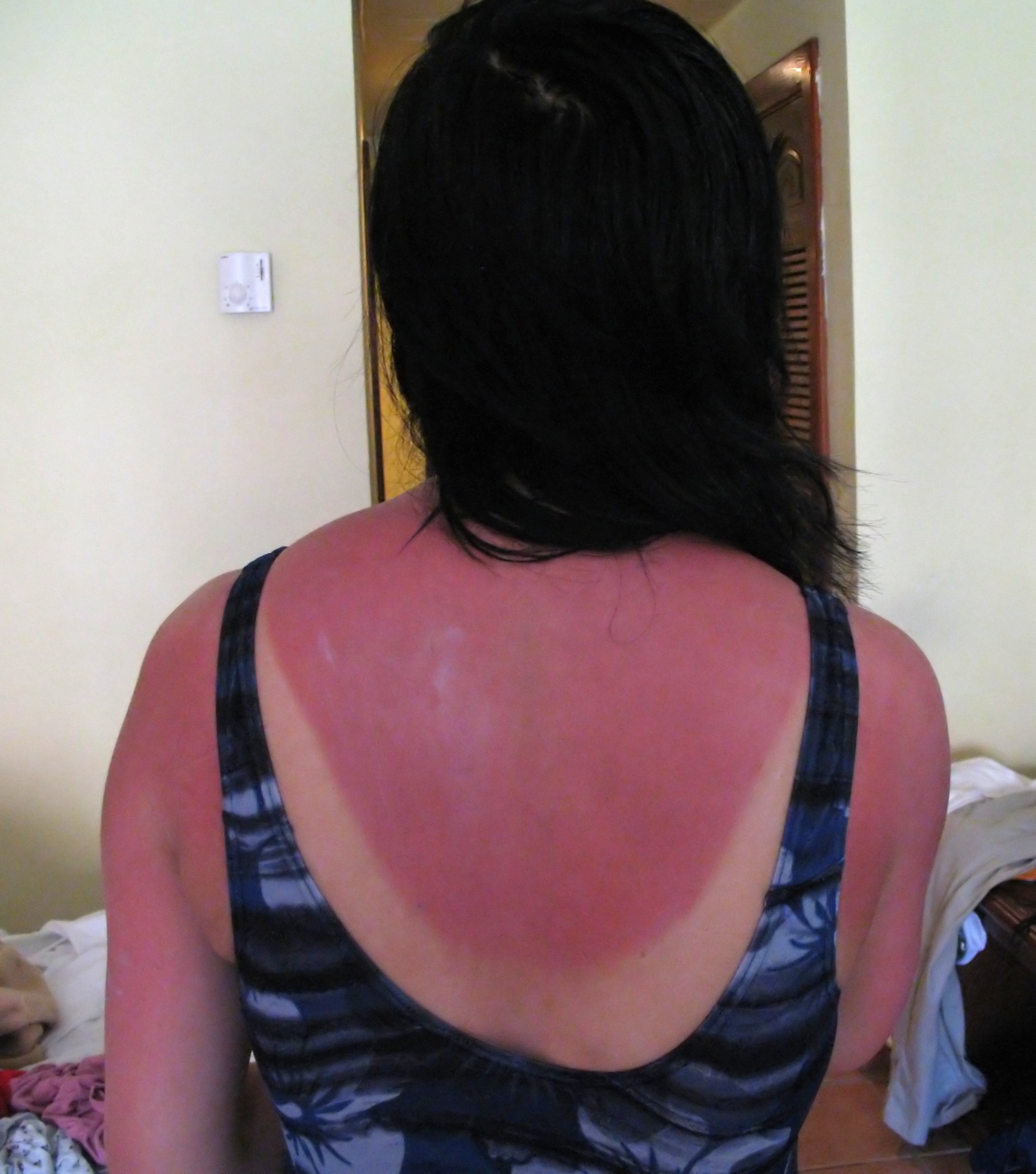 Chelsea - Most smokers will tell you that a cigarette tastes especially good with a beer or a cup of coffee. But a new survey has revealed that, to some smokers, cigarettes taste especially bad with milk, fruits, vegetables and water. Clinical psychologist Joe McClernon of Duke University says that was surprising, and the finding could lead to a quit-smoking diet.Joe Mcclernon (Duke University): It would make a lot of sense to me to develop a diet that could help a smoker not gain weight once they quit smoking but also maybe be used to help the smoker enjoy smoking less before they even quit smoking so that it's easier after they do.Chelsea - McClernon adds that menthol cigarettes seem to clash less often with foods--possibly explaining why some people prefer them over other varieties.Bob - Thanks, Chelsea. Everyone knows--or we hope everyone knows--that baking in the sun's ultraviolet rays damages your skin and may lead to premature aging and cancer. But with bathing-suit season on its way, Jessica Vega of Gainesville, Florida, emailed us to ask whether tanning beds are a better solution. We turned to dermatologist Stephen Stone of the Southern Illinois University School of Medicine.Stephen Stone (Southern Illinois University School of Medicine): No, tanning with a tanning bed is definitely not better than sitting out in the sun. The degree of tan that you get is a sign of damage to your skin, and whether it's natural ultraviolet or artificial ultraviolet, a given tan is a given sign of injury.Bob - He and other dermatologists are hoping to change the cultural preference for tanned skin. But for those who insist on a tan, he recommends using sunless tanning lotions inside and a strong sunscreen outside.Chelsea - Thanks, Bob. We'll be back next time with stories about hurricanes, droughts, and other extreme weather. Until then, I'm Chelsea Wald...Bob - And I'm Bob Hirshon, for AAAS, The Science Society. Back to you, Naked Scientists!
20:53 - The Role of Stem Cells in Cancer
The Role of Stem Cells in Cancer
with Sabina Michnowicz
Sabina - To begin my quest in exploring the role of stem cells in cancer, I thought I'd find out what a stem cell is; so I went to the Wellcome Centre for Stem Cell Research, and I asked a stem cell researcher.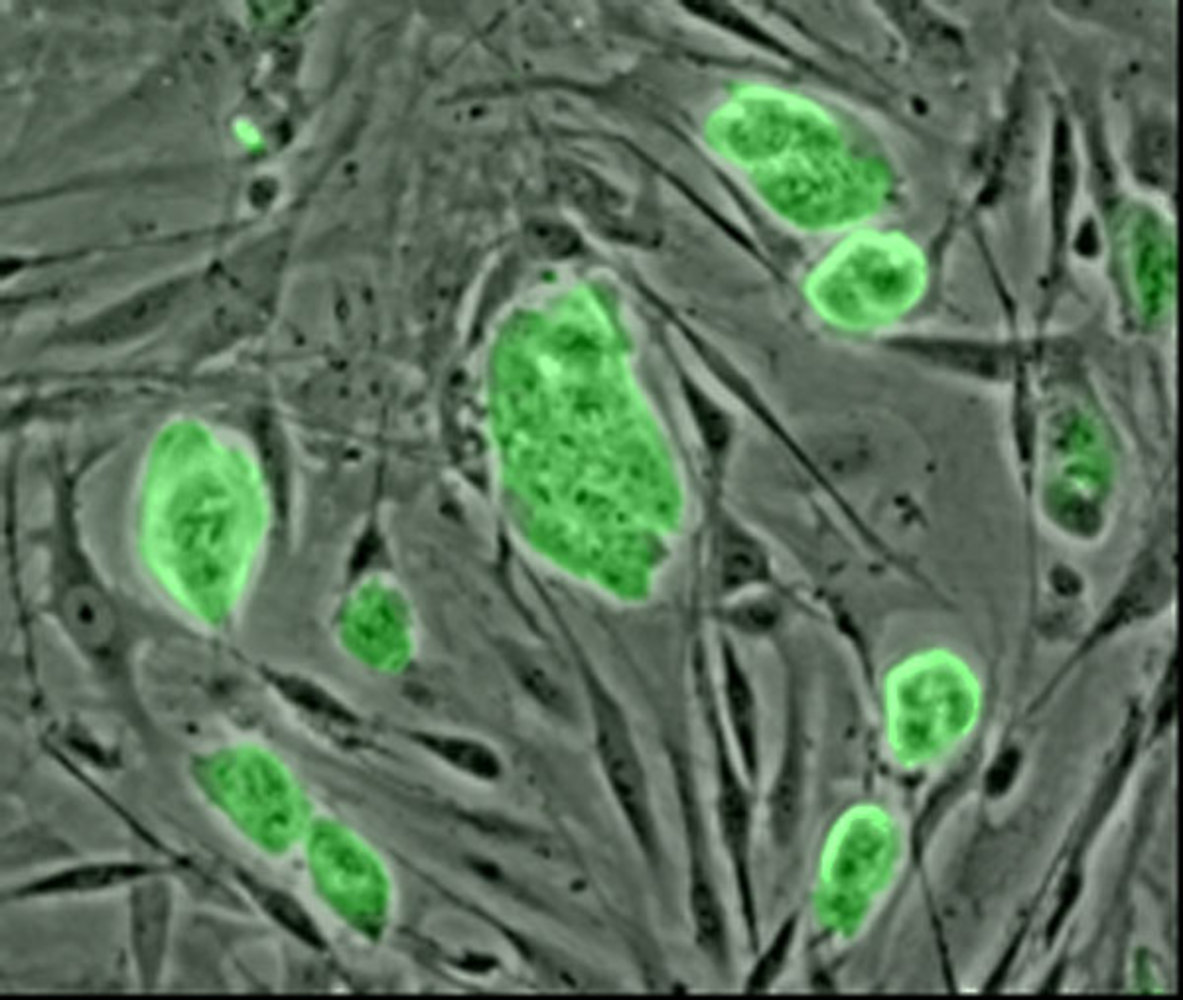 Jason Wray: Stem cells are a really amazing cell type, they are defined by two very special properties; the first is self renewal, the capacity to make identical copies of themselves, and the second property which defines a stem cell is the ability to differentiate into more specialised cell types. We break stem cells into two different categories: Embryonic, which have the capacity to make any type of tissue, and more specialised stem cells which we call adult stem cells, which are restricted to a particular type of tissue, be it brain tissue, skin tissue and so on.Sabina - I'm off to see John Stingl, breast cancer specialist in Cambridge University's Pathology department, to ask him what cancer is and how stem cells are involved.John Stingl: We actually believe that cancer is a disease of stem cells. Stem cells are normally involved in the formation of an organ, and all cancer is, is organ formation gone wrong. Cancer is a disease where you require multiple genetic mutations to get a tumour. For example, you don't just have one mutation and get a tumour, because if that were the case, we would all be dead. We actually find we need 5-7 mutations. The probability of a cell getting a mutation is actually very low, like one in a million, like trying to win a lottery prize. However, if you have a cell that has the capacity to produce lots of daughter cells, such as a stem cell, if you can mutate a stem cell, then that stem cell produces a million daughter cells, now you have a million cells which already have one genetic mutation. The probability of one of those cells getting another mutation is actually quite high, and then the cell that has mutated will produce a million daughter cells and one of those will become mutated and so on. That's how you can acquire five mutations.Sabina - A lot of research is being conducted to look at how stem cells work and what their role in cancer is. Brian Huntley is an expert in stem cell self renewal and he's working with leukaemia at the Cambridge Institute for Medical Research. I asked him how current research is directed by a need for cancer treatment.Brian Huntley: Treatment of malignant disease is still very ineffective and most patients have relapse and progressional disease, many still die from malignant disorders. However when you initially have a tumour, regardless of the tumour type and regardless of the therapy; whether that be chemotherapy, radiotherapy or some of the newer immunotherapies, there is usually a reduction in the size of the tumour mass. Sometimes it's very dramatic and sometimes it actually disappears. However we know that the vast majority of patients have re-growth of that tumour, either in the same place of what's known as a metastasis, growth in another place. That would suggest, following on from the cancer stem cell hypothesis, that we are killing the cells that form the bulk of the tumour, but are not able to re-grow it, whilst we are sparing the cancer stem cells. We would ideally want to target the critical cells which cause the propagation and the re-growth of the tumour. We need to know more about these cancer stem cells and how they differ from normal stem cells, and we need to be specifically targeting them to show improvements in cancer therapy.
25:08 - Cancer and Stem Cells
Cancer and Stem Cells
with Prof. Fiona Watt, University of Cambridge
Kat - So your research is looking at cancer stem cells and stem cell biology. Going back to basics, how would you define cancer?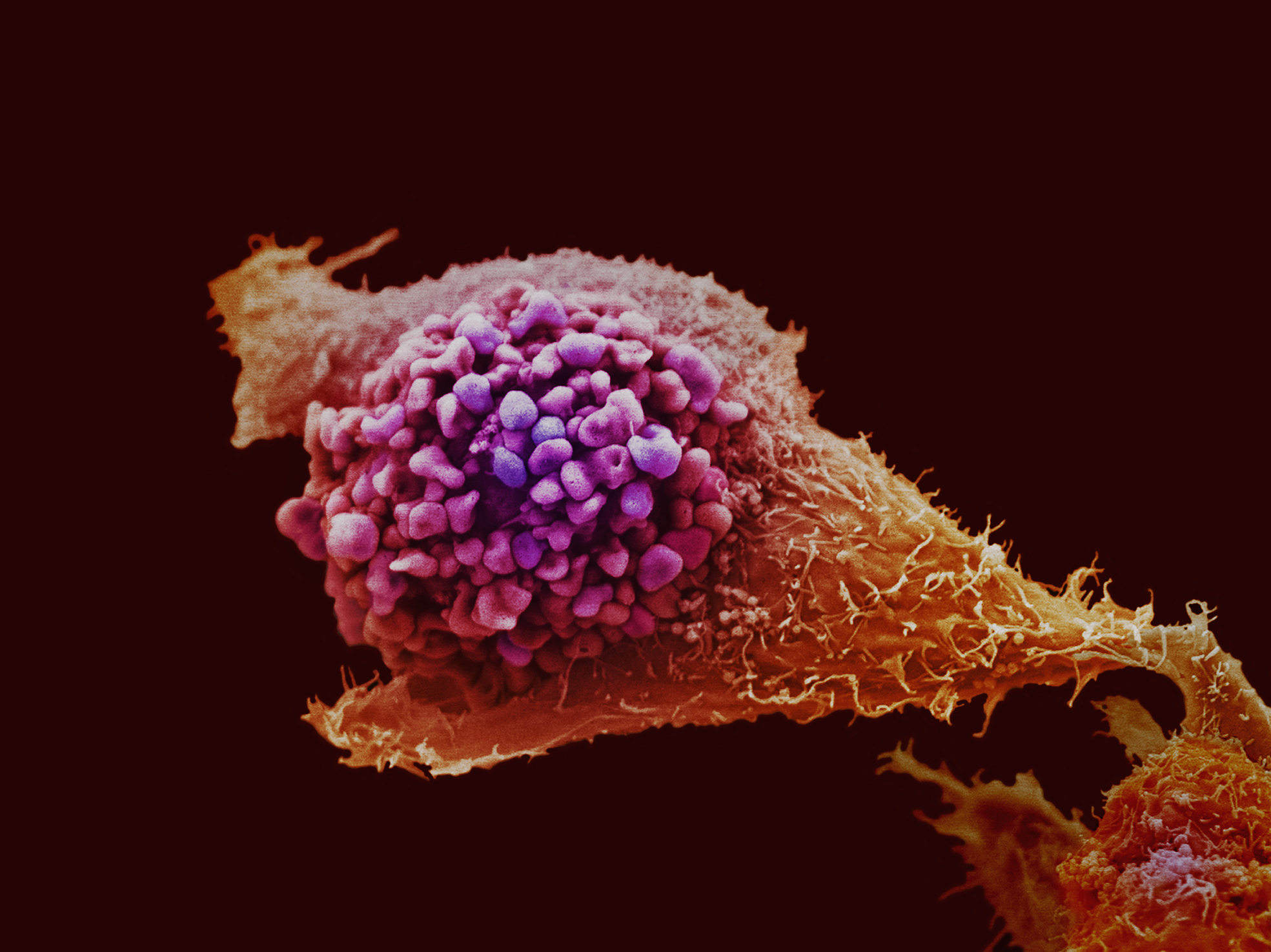 Fiona - It's a disease in which cells in a part of your body start to grow in an uncontrolled way. Sometimes that will result in formation of a lump, for example if it's in your breast. But if you've got cancer in your blood, the cancer cells will be flowing around your body and then of course the danger is that the cells start to spread to other parts of the body.Kat - We've heard in this show about the idea of cancer stem cells, how long has this idea been around?Fiona - Its an idea which has been knocking around for, some would say almost a hundred years, since people first started looking at cells in cancers. Even back then, looking under the microscope people could see that not all of the cells in a tumour were the same. The idea is that some of the cells in the tumour are essentially innocuous, and other ones, the stem cells power the growth of the tumour and ensure that no matter what you do to try to get rid of the cancer the cancer will eventually re-grow.Kat - What sort of cancers have we found stem cells in so far? There seems to be new reports coming out all the time about it...Fiona - I think the first and most compelling identification of a stem cell in a tumour was work which was done on leukaemia, cancer of the blood. There's been very exciting reports of identifying stem cells in breast cancer, colon cancer, and other types of tumours such as something called a squamous cell carcinoma which effects the mouth, the oesophagus. It seems, really that almost every week evidence comes out for a stem cell population in another type of cancer.Kat - These discoveries have quite important implications for how we're treating cancer, what can we do with this knowledge now to take it forward?Fiona - You're right that it's very important, what we need to do is now design treatments which will target stem cells rather than the bulk of the tumour. For example, many current treatments for cancer are based on the idea that these are the cells that are growing very fast, however it might be that the stem cells are actually quite sluggish and so you're not doing any good just getting rid of the fast growing cells. Our idea is that we might be able to develop treatments which are more specific and are probably gentler for the rest of your body, they're not going to wipe out all of the normal cells which happen to be growing fast. That's the hope, and that's why people are really excited about stem cells now.Kat - So tell us a bit more about what's actually going on in your lab, you work on skin and the cells found in skin. What's new there?Fiona - My lab works on skin cancers and there are two main areas that we're interested in. One is trying to find out how different kinds of cells in the skin contribute to cancer; so we ant to identify the stem cells that drive the cancer. We're also very interested in bystander cells that seem innocuous, they might not be dividing themselves but we've found out they can actually be communicating with the stem cells and giving them encouragement to grow or else potentially holding them in check. This whole issue of what are different kinds of cells doing in a tumour is very interesting to us. The other thing we're working on is why it is that you get different kinds of tumour? In skin, you've got the outer covering of the skin, you've got sweat glands, hair follicles and so on... Different types of skin tumours are sort of caricatures of the normal differentiation that's going on. We'd like to understand how that works too.Kat - There are two main divisions of skin cancer, there's non-melanoma, and melanoma. What's the real difference between those two?Fiona - The difference is that the two types of cancer affect different cell types. Melanoma is a disease of the pigment cells of the skin called melanocytes. Non melanoma effects the cells that my lab works on, which are called keratinocytes. Kat - So how are the discoveries that you're making going to feed into cancer treatments in the future?Fiona - We have very good links with a lot of the clinical departments at Addenbrookes hospital. So what we do is we look at real tumours from real people, come up with ways to try to identify the stem cells, and then test the ideas that these are going to fire tumour development. Then we want to go back to our clinical colleagues and say "can you think of new treatments based around what we now know about the stem cells in the tumours?"Kat - So it's being a bit smarter about drug development, finding the targets and then finding the treatments?Fiona - Absolutely, but it's a slow process. You're really looking at probably ten years from getting a good proof of principle to having something which would benefit a patient in the clinic.
31:49 - Decoding the Cancer Genome
Decoding the Cancer Genome
with Dr Andrew Futreal of the Wellcome Trust Sanger Institute, Cambridge
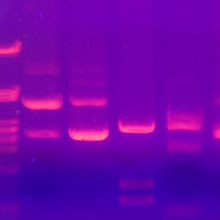
Andrew - What we set out to do was to try to understand what role a specific set of genes that occur in the genomes of all individuals, called Kinases, have on the progression of the disease (cancer). These cells are very interesting because they govern most of the molecular processes in the cell. They act like molecular switches, turning things on and off. Cancer cells are those that grow when they shouldn't, where they shouldn't and how they shouldn't and nearly all of these processes have a Kinase involved somewhere in the pathway that governs that process. We were interested to know which of those genes to think about in terms of drug targets. We knew also from the past 20 years of research that if you look at the genes known to be mutating, protein Kinases show up more frequently than any other gene family at the moment.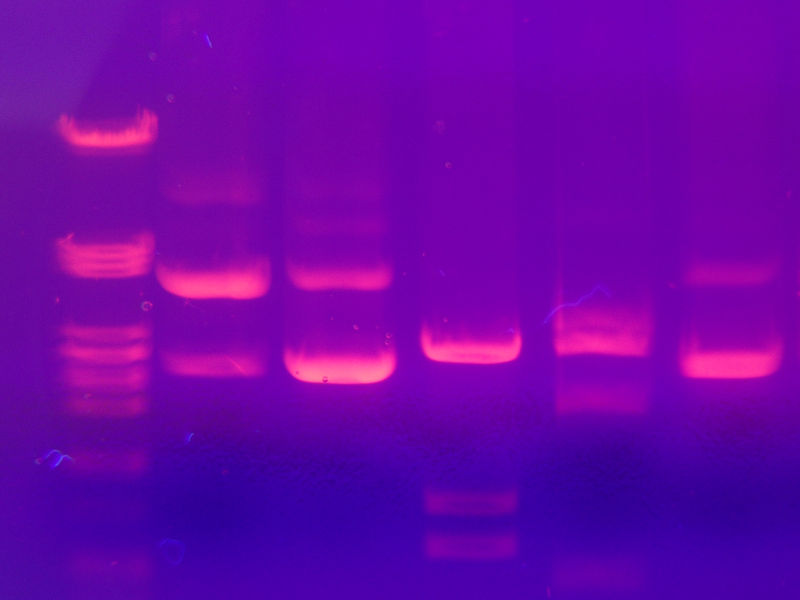 Kat - So they are the real bad guys?Andrew - At the moment they appear to be the bad guys we understand the most about. The linchpin for deciding to work on those genes, out of all the 20-odd thousand that exist in the human genome, was that it's the one gene family that we know how to make drugs against. There are several startling examples of understanding the genetics of a tumour via a mutated protein Kinase and developing a small molecule that has a high level of efficacy in patients. So we wanted to understand the genetics of cancer and also start a family where if we found something there would be shorter route to translation in terms of patient benefit.Kat - You have looked at 500 genes in 200 types of cancer. How do you go about looking at that many genes for that much information?Andrew - We used what will in a couple of years be called 'stone age' technology, the same technology we used to sequence the human genome; called Capillary Based Gene Sequencing. Out of those 500 genes we looked at all the bits that encode them, amplified them using a polymerase chain reaction from all 200 samples across these 500 genes, which works out to be about 10,000 fragments per sample, and sequenced them from both ends.Kat - That's a lot of work! How do you cope with that much information? Presumably you have incredible computers to process it all.Andrew - Yes, we have an excellent group of 14 people in the cancer genome project who are bioinformatitians. They are a brilliant group who organise the data and give it to us in terms we can understand. They actually allow us to find a single experiment amongst the millions that have been done, which is very important. It's collaboration between lab scientists, computer scientists and the people who integrate the information between the two.Kat - So what were you expecting to find?Andrew - Well, from the work that we had done earlier we found a frequently mutated Kinase called B-raf in the tumor type called melanoma. This particular Kinase is mutated in about 60% to 70% of this lethal disease. We were hoping to find the same sort of pattern when we look at Kinases across a broader set of cancers. If 60% of a gene is mutated in a tumour it would make a good drug target, if you can make a molecule to turn that gene off.So we when we started looking at these 200 cancers we quickly began to understand that this particular example looks like the exception rather than the rule. The rule looks like a more widely distributed set of mutations across a larger number of genes, so we found about 1000 mutations in 200 samples, and we believe about 100 of those are driving cancers in that group of 200.Kat - So this is more than you expected?Andrew - It's quite a bit more than I would have expected. We hoped it would be lots of spikes rather than this rumble of noise, because it's more tractable to deal with spikes in terms of therapeutic development.Kat - So do you think that means you've potentially more targets to have a go at?Andrew - I think that's exactly right. What it does is it opens up a window into understanding just how complex the disease is and that's a daunting prospective. I think what it also does is allow you to begin to integrate this information into understanding what processes, pathways and signalling circuitry is turned on or off in particular cancers, it may give you the opportunity to not only go after the gene itself but also the pathway.Cancer is a complex disease we can't get away from that so we're going to get in there, roll up our sleeves and get to grips with the ugly reality of it.Kat - So you've looked at Kinases, this particular group of signalling molecules. Are there any other molecules or family of molecules that are next on your hit list?Andrew - We started a study running towards the end of the Kinase study looking at another group of about 4000 genes. We're also going to use a larger number of tumours, about 100 cancers per set. This is comprised of essentially any gene family where there is already one member known to be mutated in cancer, promoting the idea that they may be clustered by family or by function. For example we know that DNA repair is not working particularly well in a lot of cancers. This would involve things like phosphatase, which turns things back off after Kinases turn them on, or other gene families that are involved in signalling pro-growth or pro-apoptosis cell growth division. These are all the usual suspects or at least as good as we can come up with on that list at the time.Kat - so that's going to keep you busy for a while!Andrew - Yes, sadly, I don't think we'll be working our way out of a job anytime soon.
How do whales drink seawater?
Not all sea mammals, such as whales, dolphins, seals and walruses, actually drink sea water, which begs the question where do they get their water? We think these mammals get their non-salty water from the food that they eat, and they are able to extract that from the fish that they consume. There are also other adaptations in their kidneys. We can't drink seawater because our kidneys cannot cope with that much salt. Whales and dolphins have special kidneys, which can cope with such large salt concentrations.
Is skin cancer moe common now?
Non Melanoma cancers (skin cancer which does not affect the melanocytes, or skin pigment cells) are by far the most common cancers in the western world. It's largely because the skin is the barrier which is protecting you from the environment. Exposure to sunlight, if uncontrolled, could damage the DNA in your skin and give you cancer. Other types of damage that could result in cancer include exposure to harmful chemicals.Rates of Melanoma (skin cancer which does affect the melanocytes, or skin pigment cells) have nearly trebled in the last few decades, particularly among younger people. This could be because people are taking holidays in the sun and using sunbeds, overexposing themselves to radiation over short periods.
Will sunbeds make more more likely to get skin cancer?
Yes. Even a healthy diet is unlikely to protect your skin in that way from intense exposure to ultra-violet radiation.
45:09 - Make your own electric slime
Make your own electric slime
with Dave Ansell, The Naked Scientists
Part two of our experiment to make electric slime.
Part one, including how to set up the experiment, is here...




Comments
Add a comment