This week news that men talk as much as women, cosmetics from jellyfish, songbirds "greatest-tits", a breathtaking asthma breakthrough and a gene-screen for bowel cancer. We also uncover the cause of contagious yawns, probe the brain basis of epilepsy and manic depression, and uncover a brain region responsible for out of body experiences. Plus, in Kitchen Science, Ben and Dave find out why the raisins always rise to the top of the cereal box.
In this episode

Skincare by jellyfish
 Researchers in Japan have finally found a use for the huge excess of jellyfish that have been turning up in Japanese waters in recent years - as a source of skincare products. Kiminori Ushida, from the Institute of Physical and Chemical Research in Wako Japan, found that the mucus from five jellyfish species studied was rich in a family of slimy proteins called mucins. They help to lubricate mucosal surfaces such as the front of the eye and the mouth, but they play a big role in cosmetics where they help to retain moisture, and are also the basis of artificial mucus preparations. But the normal source is not ideal - because they're extracted from cow salivary glands and pig stomachs. Jellyfish have become a big problem in Japan in recent years, and their increasing numbers have been blamed on over-fishing, climate change and the creation of artifical reefs. They've even blocked up the cooling water intake of a nuclear power station at Hiroshima in the last few years, forcing the power station to temporarily cut its output whilst the blockage was cleared. Now maybe what was previously turning into a nuisance, and occasionally a restaurant delicacy, will turn into an asset for the cosmo-ceuticals industry...

New genes for bowel cancer
Hot off the press, scientists funded by Cancer Research UK have found a common gene variation that can increase the risk of bowel cancer. This is the first time such a common gene version has been found. Several gene faults are known to increase the risk of bowel cancer, such as the genes APC and HNPCC, but these are very rare - they're carried by around one in 2,500 people, and thought to cause fewer than five in a hundred cases. But given that around a third of bowel cancers are thought to have an inherited component, there's more genes out there that we haven't found yet.
 In total, the researchers studied the genetic makeup of more than 30,000 people, around half of whom had bowel cancer while the rest were unaffected. They pinned down a faulty region of DNA on chromosome 8, called 8q24. At the moment, we just know that this region is faulty - the actual gene responsible still needs to be identified.
The team found that around half the population carry the genetic fault, which increases the risk of bowel cancer by about 20%. So this increases the lifetime risk of the disease from about 1 in 20 to around 1 in 16 for people who carry the gene fault. And the scientists think that the fault may be linked to around 3,500 cases of bowel cancer every year. Intriguingly, other researchers recently found that the same gene fault is linked to prostate cancer.
Because the increase in bowel cancer risk from this gene fault is relatively small, it's not suitable for genetic testing at the moment. But if more low-risk genes are found in the future, then it might be possible to design a genetic test for a combination of such genes.

Breathtaking new discovery of asthma gene
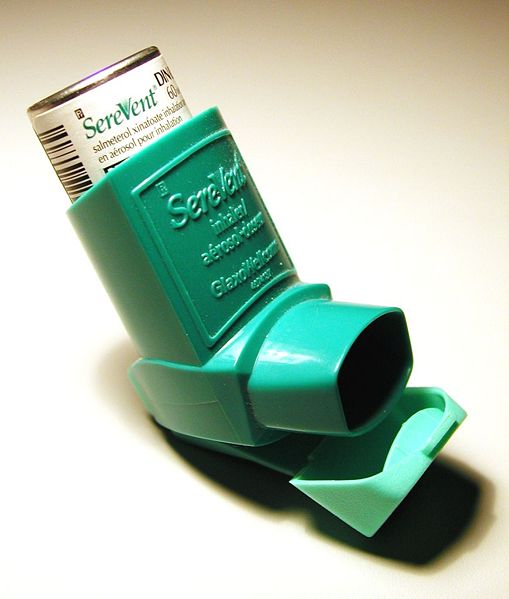 Researchers in the UK have uncovered a new gene that triggers asthma. Bill Cookson and colleagues, from London's Imperial College, compared the genes of 1000 children with asthma and 1000 healthy "controls" to track down genes that were more common in the asthmatics and might therefore provoke the condition. To do this the team used a system of genetic markers called SNPs or single nucleotide polymorphisms. These flag up certain genetic sequences. So by analysing large numbers of people with a disease, and comparing them with people who don't have the condition, you can see SNPs, and hence DNA hotspots, that crop up more often in the diseased individuals than in the healthy ones. Using this technique the team were able to home in on several DNA hotspots on chromosome 17, and also identify a new gene, called ORMDL3, which was much more common in the children with asthma than the healthy controls. "This gene occurs in about 30% of children with asthma," says Cookson. "It seems to have a fundamental role in the working of the immune system, but we don't know what it does yet". So the next step will be to study where in the body it operates and how it works. This could well open up new avenues for the treatment or even prevention of asthma. But the fact that only 30% of the asthmatic children were carrying it shows that there's much more to asthma than just genetics, and that mystery still needs to be solved.
Linking cancer to the immune system
Researchers around the world are starting to realise that cancer may be more closely linked to inflammation and our immune system than we previously thought. And two new papers this week have further strengthened the link.
Researchers at the US National Cancer Institute and the University of Texas have found two gene variations related to inflammation that may increase the risk of developing lung cancer. The effect of these gene versions is especially strong among heavy smokers, which suggests that inflammation may play an important role in the boy's response to tobacco smoke.
Their research involved around 1,500 lung cancer patients and 1,700 unaffected people. It's the first major study to pinpoint the way that lung damage from tobacco smoke might trigger an overzealous inflammatory response by the immune system, leading to lung cancer.
 The genes the team found encode important immune system signalling molecules known as interleukin A and interleukin B. They help to switch on inflammation in response to infection or tissue damage. So people with different versions of the two genes may be more or less susceptible to the cancer-causing effects of smoking. This could help to explain the old mystery that although many smokers get lung cancer, not all do.
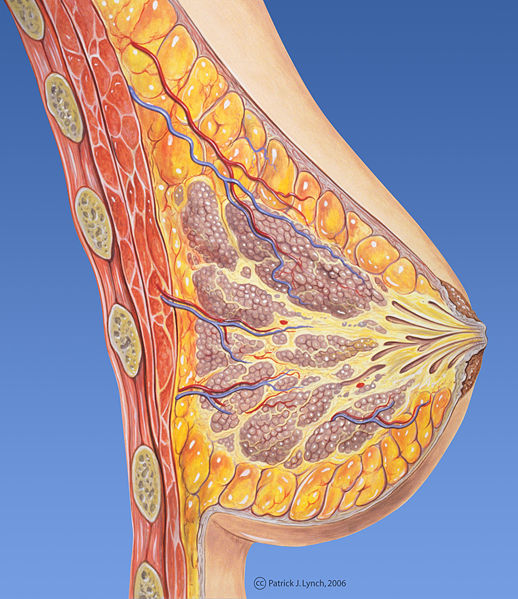
Also this week, researchers at the University of Cambridge have found a link between the immune system and breast cancer. They found that molecules called cytokines, which play a key part in our immune response to infection, are also involved in milk production in the breast during pregnancy.
Their finding has implications for understanding breast cancer, because cells that respond incorrectly to cytokine signalling can grow out of control and become cancerous. However, it's important to point out that having babies and breast feeding can reduce the risk of cancer in the long term.

Greatest-"tits" - Birds stay ahead of fashion with cutting edge songs
Scientists have shown that birds move with the times by updating their songs; play them an old one and, just like teenagers at a disco, they'll desert the dance floor.
Elizabeth Derryberry, from Duke University North Carolina, had been studying the process by which birds develop local "accents".
Ecologists have suspected for some time that birds have regional dialects and pay more attention to their own dialect than a foreign one, but the rate at which these local languages evolve wasn't known.
Derryberry compared samples of male white-crowned sparrows' songs recorded in 1979 and 2003. The more contemporary song had a lower pitch and was also slower, but would the birds notice?
To find out she then played the samples to male and female birds. Just like the Birdie song at a wedding, the older material went down like a lead zeppelin with the listening birds, who much preferred the more recent songs.
Upon hearing the contemporary material the females solicited more copulations, and the males strutted about oozing territorial aggression.
These results show that, within a relatively short time, meaningful differences in song styles can emerge, and this could have the effect of creating a barrier to mating between isolated populations.
Derryberry, who has written up the research in the journal Evolution, suggests that this could be one of the ways in which new songbird species emerge.
Do women really talk more than men?
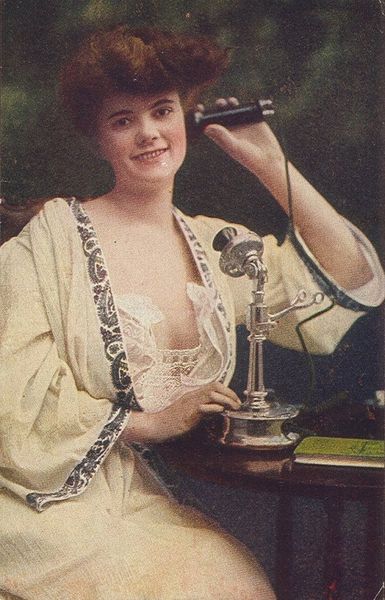 It's always said that women talk more than men, but here at the Naked Scientists, its hard to get a word in edgeways as Dr Chris is always talking. Now new research from the University of Arizona suggests that men may be just as chatty. The scientists recorded the conversations of 400 Mexican male and female students over 6 years, and logged their words.
In their study, published in the journal Science, the researchers reveal that the women in the study spoke a daily average of 16,215 words during their waking hours, versus an average of 15,669 words for men.
So women do talk more than men, but not by a statistically significant margin. But that's just the average - the team found very large individual differences around this average. For example. among the three most talkative males in the study, one used 47,000 words while the least talkative male spoke just a little more than 500.

Does suncream go off?
This is actually true. There are two types of suncream, some with zinc particles and others than contain other chemicals. The non-zinc based suncreams are the most commonly available ones; they absorb into the skin and don't leave a thick white layer behind. The chemicals in these creams are quite unstable, and are broken down by exposure to sunlight (in this way, the suncream absorbs the radiation, instead of your skin.) This also means that they will break down over time, and last year's cream will not be as good at protecting you from the sun as a new batch would.
Does a corpse still tan?
When the body dies, your cells don't immediately stop your metabolism winds down over a short time. Tannig involves production of melanin in cells in the skin, and so would probably continue for a little while after death.
Is DNA transferred in a transfusion?
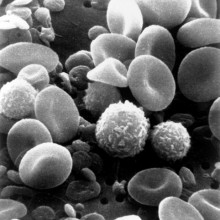
Not any more. Since scientists found out that BSE can be spread by blood transfusions, they have been 'leucodepleting' all transplant blood in the UK. When you give blood, they use a special technique to remove all the white blood cells and leave only the red blood cells, which are safe to transfuse. Human red blood cells don't have a nucleus (unlike birds) and therefore do not contain any DNA. So transfusions given recently will definitely not contain any of the donors DNA.
In the 60's, blood was not separated out like this, but we did realise that you could transfer viruses through transfusion like this, so the blood was irradiated. This destroyed the DNA, but left the red blood cells intact.

Why does celery make my tongue numb?
This could be a manifestation of Oral Allergy Syndrome. If you suffer from hayfever, an allergy to pollen, you may find some of the same substances in the plant as you would find in the pollen.
When you eat the plant, your mouth is exposed to the same things as you would in the pollen, and so you have a miniature allergic reaction in your mouth. The symptoms are pricklyness, swelling, itchyness, even an itchy sensation on the inside of your ears! The Numbness in your tounge would well be the celery prompting this oral allergy.
Celery is in the same family as birch, so if you are allergic to birch pollen, you may well get this reaction to celery.

20:16 - Why do we Yawn?
Why do we Yawn?
with Dr Gordon Gallup, State University of New York at Albany.
Here's a puzzle that science has yet to solve; it's something we all do, it's contagious and even animals are affected. It is, of course, yawning. But why do we do it? We spoke to Gordon Gallup from the State University of New York at Albany...
Chris - What have you done to try to work out what a yawn is?
Gordon - We think that yawning may have evolved to function as a brain cooling mechanism. It turns out that a variety of drugs that inadvertently increase brain temperature, such as antidepressants, often produce excessive yawning.
Chris - When you say increase brain temperature, literally they make the brain hotter, but how?
Gordon - that's correct, they raise brain temperature, some are the serotonin re-uptake inhibitors that are used as antidepressants.
Chris - Is that because they make the brain more active, it burns more energy so it produces more heat?
Gordon - I suspect that it increases brain metabolism.
Chris - And a side effect of that increase in metabolism and temperature seems to be more yawning amongst sufferers.
Gordon - It seems to be the case. Likewise, sleep deprivation increases brain temperature and excessive yawning is a common symptom of sleep deprivation.
Chris - So how did you try and tease out whether it's just the temperature or something else going on?
Gordon - We focused on two well-established brain cooling mechanisms; it involves what's called "nasal breathing" and "forehead cooling". When you breathe in cool air through your nose, it cools the blood in capillaries in your nasal epithelium and sends that cooler blood to the brain. Likewise, when you cool your forehead there are emissary veins that are connected to your brain, and that cools your brain. So what we did is we had subjects either breathe through their noses or hold cold packs to their foreheads and we discovered that under those conditions yawning stopped.
Chris - How did you make them yawn?
Gordon - we made them yawn by having them watch videotapes of other people who were yawning.
Chris - So this was contagious yawning?
Gordon - Contagious yawning, exactly. By cooling the brain presumably it eliminated the need to yawn and as a consequence you don't get contagious yawning under those conditions.
Chris - So are there any other explanations apart from the temperature-related idea?
Gordon - Well, a lot of people think that you yawn in order to replenish oxygen levels in the blood, but a lot of independent research has been done on that question and it turns out that if you manipulate both oxygen and CO2 levels in a persons blood, it leaves yawning unaffected.
Chris - Now when you say you got people to cool their brain via their forehead, tell us a bit about that, how did that work?
Gordon - Well, we had them either hold warm packs to their forehead, cold packs to their forehead or packs that were maintained at room temperature; and those that held cold packs to their forehead stopped yawning.
Chris - You don't think that's because it's actually quite unpleasant having something cold jammed onto your forehead, and this made the subjects more aroused and more alert, just because they were doing something which could be quite painful?
Gordon - Well, they weren't so cold as to produce painful after-effects, but the fact that nasal breathing produced the same effect tends to rule out any discomfort.
Chris - Well lets look at the group dynamic then; why is it that if we're sitting in a cluster together, I yawn, the person next to me might catch it and yawn, and probably the whole audience to this programme are now yawning in sympathy with us talking about it, and not just because they're bored. Why should that happen? What's the evolutionary purpose? There must be one for animals to do it too.
Gordon - We think that contagious yawning evolved to maintain group vigilance, so as to enable people to be better at detecting danger. That is, when someone yawns, we take that as evidence for the fact that their brain temperature is increased and their mental efficiency is decreased. Therefore, if everybody yawns the overall level of vigilance on the part of the group is enhanced.
Chris - And so in that respect, you're more likely to spot that tiger lurking which is going to pluck you off when you're all asleep
Gordon - Precisely.
26:22 - Science Update - Blood and Healing
Science Update - Blood and Healing
with Chelsea Wald and Bob Hirshon
Bob Hirshon: This week for The Naked Scientists we're featuring two ways to help the healing process. I'm going to talk about how suction helps. But first, Chelsea's going to tell us about a technology that could best be described as a blood-based bandage.
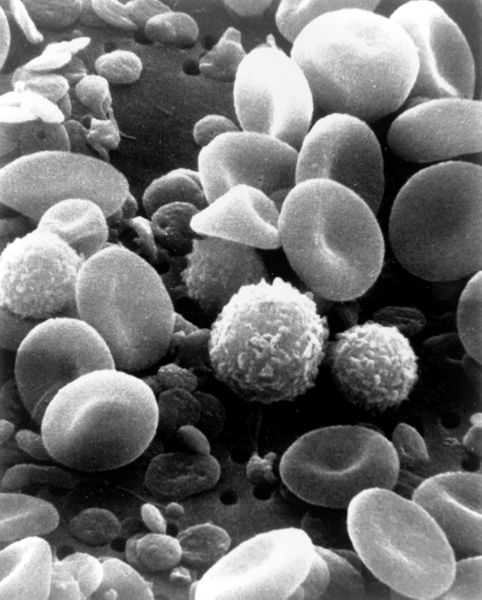
Chelsea Wald: When you get a cut, blood molecules called platelets create clots and release healing chemicals. To help patients with healing disorders recover from surgery, doctors can actually concentrate a patient's platelets into a gel and apply it to the wounds. Recently, reconstructive surgeon David Hom, then at the University of Minnesota School of Medicine, decided to test the gel on surgical wounds he made in eight normal volunteers, to see if it would help healthy people, too.
David Hom (formerly University of Minnesota School of Medicine, now University of Cincinnati College of Medicine): Whenever we had a greater than sixfold increase of platelet concentration, we saw that they closed approximately ten percent quicker.
 Chelsea - That may not sound like much, but Hom notes that for patients recovering from major surgery, it could shave two or three days and thousands of dollars off a hospital stay.
Bob - Thanks, Chelsea. A vacuum cleaner-like device may make children's hospital stays easier. This according to pediatric surgeon Oluyinka Olutoye of the Baylor College of Medicine. He and his colleagues studied children recovering from messy injuries and sores, or complicated surgeries. They found that applying constant suction to a wound through a specialized, airtight dressing not only promoted healing, but also reduced the need for painful and scary-looking bandage changes.
Oluyinka Olutoye (Baylor College of Medicine): So many times, the dressing changes are actually very difficult situations for those children, that they need to be medicated at times to keep them calm and reduce the pain.
Bob - The suction technique is already used in adults, but this study suggests that it's safe and effective for children and even newborns.
Chelsea - Thanks, Bob. Next time, we'll be back with what we hope are some less bloody stories from our side of the pond. Until then, I'm Chelsea Wald...
Bob - ...and I'm Bob Hirshon, for AAAS, The Science Society. Back to you, Naked Scientists...
28:47 - Epilepsy
Epilepsy
with Dr Howard Ring, University of Cambridge
Most people are familiar with epilepsy, we may have friends and relatives who suffer from seisures, but the disease it a bit more complicated than that.
Kat - What is epilepsy? What causes it and what sorts of things happen?
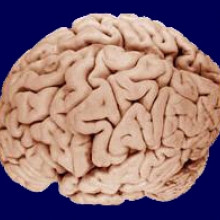
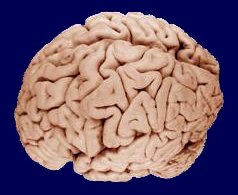 Howard - Epilepsy is a disorder of the brain, it's caused when groups of nerve cells essentially fire too fast and the way in which the seisure shows itself is determined by how many nerve cells start firing abnormally. So if only a relatively small number of nerve cells fire abnormally, then the seisure maybe rather limited, for example twitching of the hand or movements of the face. But when the whole cortex, the outer surface of the brain gets involved in this seisure activity, then you have what a lot of people would recognise to be a seisure, what we call a generalised tonic-clonic seisure, where somebody loses consciousness, falls to the ground, they go rigid and they shake. The whole thing can last from a few minutes to longer, occasionally needing emergency treatment.
Kat - What sort of things can actually bring on epilepsy? Are some people born with it, or is it caused by something?
Howard - Yes to all of the above, and others. Certainly it can be associated with various genetic syndromes that people are born with, it can be caused by brain damage, there's a part of the brain called the temporal lobe which is particularly vulnerable to not having enough oxygen during the birth process. So people whose birth is unduly complicated can sometimes have seisures. And sometimes a particular kind of epilepsy that some of your listeners may be familiar with occurs in infants and young children below the age of about 5 if they have a very high temperature. These are known as febrile convulsions, and these are convulsions, not epilepsy, and in general people who have febrile convulsions don't go on the have epilepsy. That's another important point, you can have seisures with out having epilepsy, and you can have epilepsy with out having very obvious seisures. So it's an increasingly complicated subject.
Kat - And how do we normally treat epilepsy?
Howard - The great majority of people can be very well treated with anti epileptic drugs. Approximately 70% of people who develop full-blown epilepsy, which is repeated seisures; having one seisure really isn't epilepsy, but having a tendency for repeated seisures is epilepsy. About 70% of people will respond well to the first or second anti-epileptic drug they are given.
Kat - How do these drugs actually work? It sounds incredibly complicated to give someone a drug that actually effects their brain in this way.
Howard - It is actually incredibly complicated, sufficiently complicated that I can't give you a very good answer, I'm not sure than many people can. But basically, there are different things that can excite or calm down, or inhibit brain nerve cells, and in general things that calm down or inhibit nerve cells, particularly by increasing, in certain parts of the brain, a transmitter between nerve cells called GABA, will help to reduce the number of seisures. There's another neurotransmitter called glutamate, which excited nerve cells and too much glutamate activity causes fits. So other groups of medicines that are effective are those that reduce the activity of glutamate. So basically increase GABA or decrease glutamate and that will have an effect.
Kat - So when we see people having 'fits' they're quite dramatic, but what are the other things that epilepsy can bring on, the other problems. Obviously, for people's families it can be quite distressing.
Howard - Absolutely. Well that's a very good question and what we always say is that epilepsy is more than just fits, or seisures. Seisures are a symptom of epilepsy. One of the important ones, and I am very eager to mention this, is that there is a social aspect to the condition. In the past, people were frightened of other people who had epilepsy. People were afraid that seisures meant that you were possessed, or that there was something awful happening. And I'm very pleased to have this opportunity to say that's not the case at all; seisures are simply a symptom of a localised disease in the brain that can be adequately treated. Really, what happens is that we need to educate people that seisures are nothing awful and top try to help people fight the stigma that sometimes applies to epilepsy. So that's one kind of treatment, education for social stigma.
Another thing that I'm particularly interested in the relationship between epilepsy and psychiatric symptoms, although the two might seem to be rather different. First of all they both involve the same organ, that is the brain. Sometimes what happens is if you have a discharge in one part of the brain that can actually generate a range of psychiatric symptoms. These might be to do with depression, you might sometimes, rarely, but sometimes quite dramatically, get symptoms of what we call psychosis. Seeing things that aren't there, hearing voices...
Chris - Haven't people felt profoundly religious experiences as a result of epilepsy?
Howard - Well this is where it gets extremely interesting. The brain, as you know, does all sorts of interesting things, pretty much it does everything we are and everything we do. Epilepsy is a manifestation of increased activity in those brain cells and therefore all the things that we can do, essentially, can be generated by seisures. But because it's an abnormal way of activating these nerve cells we get things broken up, we don't get the whole pattern of behaviour. So people have had intense religious experiences, there are accounts of a feeling of conviction, an absolutely free-floating certainty. "This is right!" Which just exists by itself, which is rather unusual.
Chris - I suppose if we can home in on which bits of the brain are giving these experiences then, paradoxically, that can give us clues as to what those bits of the brain do, and therefore a better understanding of how the brain works.
Howard - That's absolutely right and in principle it should be very straightforward; you map where the epileptic focus is, that is the site of the seisure, with the behaviour and you know exactly what's going on. It's not as simple as that for several reasons. First of all, because it turns out that there are several different parts of the brain that can generate individual emotional psychiatric symptoms. Secondly it's very hard sometimes, particularly if you don't have deep electrodes, wires in the brain recording exactly where the seisure is starting, to be sure exactly where the seisure is starting. Nerve cells are of course, a microscopic thing, and we're looking at chunks of brain millimetres or bigger.

35:33 - Out of Body Experiences - Get Behind Yourself!
Out of Body Experiences - Get Behind Yourself!
with Olaf Blanke, École Polytechnique in Lausanne
Do you ever get that feeling that there's someone just behind you, even though there isn't? Well, now a team of scientists think they've found a way to provoke that feeling merely by stimulating a particular part of the brain called the temporal parietal junction. This is all coming from an investigation of a 22-year-old woman who was originally being evaluated for surgical treatment of epilepsy. But, during this, the researchers found they were able to do something very different. Explaining all to Chris Smith was Olaf Blanke from the École Polytechnique in Lausanne.
 Olaf Blanke: What we basically have the chance to investigate in this patient is something that many clinicians and probably cognitive neuroscientists would also like to do, mainly induce by a very focal stimulation of one specific part of the brain, the temporal parietal junction, a highly complex experience. What we, in short, and could induce was that she had the experience that all of a sudden, during the two seconds of stimulation, that there was another person in the room and that this person was always localised behind her, very specific distance, just behind her to her right. And this experience was so convincing that she actually had to turn around and look in order to make sure that there was actually nobody there.
Chris Smith: So when we get the sensation that there's someone literally standing behind you making the hairs on the back of your neck stand up, if you like, then we can be reasonably sure from the results you've found that it's this part of the brain that's responsible?
Olaf Blanke: So basically what this shows is that there is at least one anatomical mechanism that seems to be very strongly involved in generating these sensations and, although it's a highly complex phenomenon that you can find in schizophrenic patients but also in healthy subjects, it seems to be due to disturbed brain mechanisms exactly at this area.
Chris Smith: Is it significant that it's on the left? Because does the person see the apparition, if you like, or feel the presence of the apparition on the contralateral, the opposite side of the body, because you're stimulating the left? And if you were to do it on the right, would you get the converse effect?
Olaf Blanke: Yes, exactly. That can actually be suspected because there have been reports before, this feeling of a presence is always contralateral, on the other side, with respect to the side of the brain where there might be a disturbance, a lesion or other kind of brain damage. So if you have your left temporal parietal junction involved it will be on the right side and when you have your right brain involved it will be on the left side.
Chris Smith: So what do you think the actual role of this piece of the brain is when it's working normally?
Olaf Blanke: Actually we have observed it in the induction of similar illusions as well. To give you an example would be an out of body experience: it's the same area that's relevant. There's also doppelganger experience where you have the impression of seeing an image of yourself outside, out of space. So all these experiences somehow seem to be generated by stimulation or interference with this temporal parietal junction.
Chris Smith: It's really interesting as well because one of the things which is very striking about a number of psychiatric illnesses, especially schizophrenia, is that people experience sensations that are obviously coming from within their own brain but they always say they're coming from outside. So is there any evidence to suggest that, again, this part of the brain might be involved in causing that?
Olaf Blanke: Absolutely. So we believe that there is a disturbance of so-called self other distinction, namely what we could show was that when we changed the position of the patient those changes were echoed in the posture and position of the illusory person. Nevertheless, she never experienced that person as reflecting her own body or being illusion related to her own body. And this is similar to patients with schizophrenia, for example. So, for example, you ask them to grasp, let's say, a glass of water and while they perform this action they could tell you that they have the experience as if somebody else were directing their arm. So what our patient has, not for a certain action, not for a certain body part, is a similar disturbance, probably with respect to her entire body.
What is it that makes your jaw ache when you’re eating?
When if you're chewing something like chewing gum and you chew too hard, sometimes you can overwork the muscles and they can ache in the same way as if you did a lot of digging you might make your back or shoulders ache. The other thing to consider is that there is a joint where the mandible, or jaw meets the skull, called the temporomanibular joint. That can actually end up being sore in some people, and then its called TMJ dysfunction.
With home electrical wiring, why should the wires oxidise?
Normally, the current passing through the wires in your house does not generate enough heat in order to make them react with oxygen. Most wiring is copper, and you need to get copper to quite a high temperature to make it react with oxygen and produce copper oxide. This shouldn't happen unless the wiring actually catches fire.
However if the wires get wet dissolved oxygen can react with the copper much more easily, so they will oxidise even at normal temperatures.

41:36 - Bipolar disorder
Bipolar disorder
with Professor Nick Craddock, Cardiff University
Chris - Your research looks at Bipolar disorder, which is a reasonably common neuropsychiatric disorder, also known as manic depression. Tell us a bit about it.
 Nick - Bipolar disorder, as you say, used to be called manic depression. It's a severe disturbance of mood in which sometimes people sometimes have episodes of depression and sometimes episodes of elevated mood, or mania, where they're in an energised state, rush around, think very quickly, often make judgements that they later regret, perhaps spend a lot of money. It's quite often associated with delusions and hallucinations, perhaps somebody believes that they are a very important person or they're on a special mission.
Chris - It's quite common, isn't it? One percent of the population?
Nick - Yeah, the most severe form affects about one percent of the population but we know that several more percent have a milder form that's usually just diagnosed as depression, but actually is a form of bipolar disorder.
Chris - Why is it that people should have this alternation between being very depressed and then getting so high that they're out of control? What's actually going on?
Nick - We don't know. Clearly there are changes in the systems which regulate mood, which are operating in a different way in people with bipolar illness from normal, so that the stresses and strains of normal life are essentially sending the mood stabilisation system out of control at certain times. Unfortunately, we haven't really pinned down exactly which those systems are, hence a lot of research is going on at the moment to understand that better so we can have much more effective treatments.
Chris - Some pretty famous people have had it, or have got it. They say that when people are high they are so creative that this is what makes them stand out from the crowd and be great writers, poets, people like Stephen Fry, even, great sense of humour.
Nick - Unfortunately that's only true up to a point. If somebody is mildly high, then they can be very creative and productive. The problem is that when somebody becomes severely ill, they certainly won't be creative and productive because they'll be distractible, unable to focus on things, very likely to do completely reckless things; blowing all their savings within a day, getting into fights, driving dangerously. So, in a milder form, yes it can be associated with creativity, but not in the more severe forms.
Chris - Does one tend to turn into the other? Do people start off mild and then slowly lose control? I have some close colleagues who've been absolutely academically brilliant, and have subsequently been diagnosed with this, and have lost control. But in the early days I'd never met someone so clever; they were the only person I've met who could have a conversation with you while typing a grant application with the other hand on a computer he wasn't even watching, and it would make perfect sense what was coming up on that screen. That's how that person was in the early days.
Nick - Yeah, absolutely. If it's in the milder stages of the illness, then it's possible that can be quite a productive state, the real problem is that there is a tendency then for the mood to just go out of control. Then, it's very problematic for the person and their family; it often leads to them losing jobs.
Chris - Is it not the mental illness that has the highest suicide rate attached to it, because it makes life hell on Earth for the people who have it?
Nick - That's right, about 1 in 6 people with bipolar illness will eventually end their life by suicide.
Chris - Is it a one way street when you get to that very severe spectrum of the problem, can you wind it back and get back to being relatively normal, and functioning when you can focus again. Or once you've got very bad is it pretty much a life sentence?
Nick - An episode of mania can be treated effectively with medication, and the person can get back to essentially having normal mood. It's likely that they will then need medication to keep the mood within normal levels. The problem at the moment is that our treatments are only effective in a proportion of people and they can have intolerable side effects. So what we're doing is trying to do research to understand better the causes of illness and develop much more effective treatments.
Chris - It has a genetic association, doesn't it? Does it run in families?
Nick - Yes, a very strong genetic association. Family and twin studies have shown very clearly that genes play a major role in influencing risk.
Chris - Do we know which ones?
Nick - No, not yet. The research is going on, and there are a number of genes that we are working on at the moment that we're confident do play a role, but exactly characterising that and pinning down the systems is going to take a little more work yet. I think we can be very optimistic that over the next few years we're going to have a much better understanding and we'll be able to develop much better methods of diagnosis and treatment.
Is there a limit to memory capacity?
(We put this question to Dr Howard Ring, a Neuroscientist from Cambridge University) You should be perfectly safe. There's probably far more capacity in your brain to put stuff in than you will ever use, although recalling it can be difficult, there's been research recently demonstrating that recall is the tricky bit, but that there's far more in there than you might have thought.
Why do certain foods trigger panic attacks?
(We put this question to Professor Nick Craddock, a Neuroscientist from Cardiff University)
Well the answer to this question is that we're not sure. Certainly, things that influence neurotransmitter systems that can alter mood or create anxiety feelings. The amino acid tryptophan gets turned into 5-hydroxy-tryptomine, which is also known as serotonin, the brain's feel good chemical. If your diet is deficient in tryptophan this can lead to depression. One of the reasons people like to binge on chocolate is that chocolate can raise serotonin levels. Undoubtedly, food can have an effect on mood, but we're not sure to what extent.
- Previous Fuels of the Future
- Next Question and Answer Show








Comments
Add a comment