This week, Plant Pests and Plant Pathology - we find out what happens when plants get ill, how to understand and prevent the spread of plant disease, and how they can call up an insect army to defend them if they're attacked. We also find out why some horse chestnut trees are going brown before their time, and meet the pesky critter responsible! Plus, a new technique to cleanly edit out and correct errors in the DNA code, how the plague bacterium hasn't changed in 600 years, and why children, but not chimps, choose to work together.
In this episode

01:46 - A low protein diet increases snacking
A low protein diet increases snacking
Having a lower percentage of protein in the diet can lead to more snacking behaviour and more intense hunger pangs, a new study has revealed...
The team from the University of Sydney, led by Alison Gosby, wanted to test whether something known as the protein leverage hypothesis, or PLH, which suggests that a biological preference for a high protein diet, combined with a decrease in the proportion of protein in the diet in relation to fat and carbohydrate, can lead to obesity, applies to humans, as it does in other species.
Obesity is a huge problem (no pun intended) - almost a quarter of British adults are now classed as obese. Previous work in the United States has shown that over the last 30-40 years, protein intake has decreased from around 14% of the diet to 12.5% of the diet, and total energy intake has increased. The possible reason for this is that due to a lower intake of protein at mealtimes, people are craving extra protein and seek it from snack foods, which then increase their total daily energy intake.
In the new study, published in PLoS One, participants were fed either a 10% protein, 15% protein or 25% protein diet for three four day periods. Their total energy intake and their perceived hunger levels were monitored over each four day period. Their main meals were regulated to contain the right amount of protein, but also available were 'anytime foods' like cheese scones, yoghurt or muffins.
They found that the participants on the 10% protein diet increased their total energy intake by 12% compared to those on the 15% protein diet. And it was the 'anytime' snack foods that made up 70% of the increased energy intake, rather than just eating more of their provided meal at mealtimes. It also tended to be the savoury snacks that the participants preferred, which the researchers suggest is due to the association of protein with savoury food rather than sweet. There wasn't any significant difference in energy intake between the 15% and 25% protein diets, suggesting that increasing protein in the diet above a certain amount will not necessarily decrease intake of other foods.
Average perceived hunger levels across the day didn't differ between the diets, but on the 4th day, participants on the 10% protein diet reported significantly more hunger 1-2 hours after breakfast than those on the 25% protein diet.
So what do these results mean in the context of the protein leverage hypothesis? Well, the researchers are keen to point out that this is only a small study, and alone it doesn't prove that the PLH is responsible for the increased levels of obesity in society, but they point out that along with other larger studies and the fact that protein intake has indeed decreased over the last 30-40 years, coinciding with the rise in obesity, it does seem to support the hypothesis.
They also mention that if the participants on the 10% protein diet continued to maintain their increased energy intake that they showed over the 4 day trial, without increasing their activity level, they could expect to put on a kilo every month!
05:20 - Protein “Restraining Order” for Gut Bacteria
Protein “Restraining Order” for Gut Bacteria
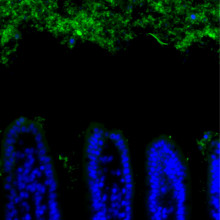
An antibacterial protein secreted in the small intestine creates a tiny "no man's land" between the wall of the intestine and the bacteria that live inside the gut. Breakdown of this physical buffer could lead to Inflammatory Bowel Disease and other chronic problems.
The mammalian intestine is full of bacteria, around 100 trillion of them. We know that many of them are key to keeping us healthy, performing important metabolic roles that our own cells can't. But we don't fully understand how the immune system tolerates the presence of so many foreign cells.
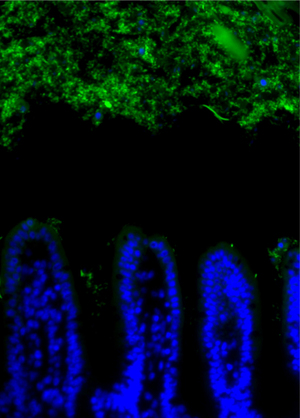 One way is to keep the bacteria physically isolated from the epithelial cells lining the digestive system, creating a "buffer zone" that stops the immune system from reacting. Different components of the digestive tract have different strategies. The colon, for example, deploys a dense mucus layer on the surface, which is too compact to allow bacteria through and creates a gap of around 50 micrometres between bacteria and the epithelium. This technique cannot work in the small intestine, however, as the dense mucus would block the nutrients that are absorbed in the small intestine.
Writing in Science, Lora Hooper and colleagues at the University of Texas Southwestern Medical Center at Dallas took sections of mouse intestine and used a technique called FISH (fluorescence in situ hybridization) to see where the bacteria were found. In the small intestine, they saw the same 50 micrometre gap as seen in the colon. However, if the mice lacked a certain gene, involved in the innate immune response to bacteria, this gap vanished, despite overall levels of bacteria being the same.
The gene responsible controls the expression of several key antimicrobial proteins, including RegIIIγ. By knocking RegIIIγ out in otherwise healthy mice, the researchers were able to show that this protein is indeed responsible for maintaining the gap between gut and bugs. In its absence the adaptive immune system starts to respond and it's this response that could lead to inflammatory bowel disease.
There is still a lot to understand about the roles of the immune system and epithelial cells in tolerating gut bacteria, and achieving the balance required to develop, and maintain, a healthy commensal community. RegIIIγ only controls certain groups of bacteria, so the hunt is on now to find the other proteins involved making bacteria keep their distance.
08:00 - DNA Scalpel Fixes Mutations; Leaves No Scars
DNA Scalpel Fixes Mutations; Leaves No Scars
with Professor David Lomas, Cambridge Institute for Medical Research
Ben - A new technique to repair errors in DNA while leaving no trace has been reported in the journal Nature. The researchers have corrected an error that leads to an untreatable liver disease, and this technique could eventually lead to treatments for an extremely wide range of genetic illnesses. Joining us to explain more is Professor David Lomas from the Cambridge Institute for Medical Research. David, thank you so much for joining us.
David - My pleasure. Thank you for the invitation.
Ben - First of all, what is this liver disease? What causes it and what are the symptoms?
David - Alpha 1-antitrypsin is a protein that's produced from the liver, and it bathes all the tissues in the body. The role of the protein is to protect the tissues against enzyme damage. There is a genetic mutation in this protein that's found in 1 in 25 of the population. So 1 in 2,000 are homozygous and it affects 30,000 people as homozygotes in the U.K. So it's common. This mutation causes the protein to misfold and accumulate within hepatocytes. That gives rise to liver disease for which the only treatment is transplantation. Now you imagine the lack of an important circulating protein means there's a lack of protection for the tissues and the lung is most susceptible, and these people will develop volume onset emphysema particularly if they smoke.
Ben - So, it is a liver disease but it also affects other systems?
David - Correct. The primary abnormality is the protein misfolding in the liver, accumulating in the liver and then the secondary effect is on the lung.
Ben - And as you said it's quite common so it's obviously a good target for us to look at. So what have you done? What have you reported in this particular paper?
David - So, what we're trying to do is to think of a different way of producing liver cells that one day may take over from the damaged cells within patients. So we started with my patients and we took a skin biopsy, and we isolated the fibroblasts. We then reprogrammed these fibroblast so they became stem cells. Now, these stem cells still have the genetic mutation, so we corrected the genetic mutation and to give you some idea of the magnitude of the problem, we changed one or two base pairs in 6 billion. We left the rest of them unchanged and then, having made that correction, we have a normal healthy stem cell. We differentiated those to liver cells, which now work beautifully in the test tube, and then we put them in mice. We showed that they were viable in mice and they produced the relevant liver proteins.
Ben - So your technique is sort of a genetic scalpel; you're going in there with extreme precision to cut open the DNA, take out the errors, repair it, and not leave a genetic scar.
David - Absolutely right. Molecular scalpel is a good description.
Ben - What at the moment is stopping us from using this in humans? It seems to be very well received in mice, and I understand you put them into mice with no immune system so you don't get rejection. But quite often, we've seen with stem cell research, like the cells don't really integrate properly, they might form tumours, there are all sorts of problems. So, what's standing in the way now?
David - So there's two issues to highlight. The first is that the cells that we get from reprogramming look like liver cells and behave like liver cells but are an immature version of the liver cell You can consider them as a foetal cell, that's the good way of looking at them. Now, they seem to function well in the mouse. They seem to produce the relevant proteins and they seem to integrate. But we don't know whether long term, they can take over the function of the liver and repopulate and replace damaged liver cells. The second issue is that when you reprogram skin cells into stem cells and then differentiate them into hepatocytes, you collect point mutations in the genome. And from our sequencing, we found about two dozen point mutations. Now, we think looking at the bioformatics that they're okay so they're probably not going to have any effect, but you don't know for sure. The safety signal that we saw in these experiments is that when we put them in the mouse six weeks later, they function normally. There didn't appear to be any malignant potential. But those two issues need to be addressed, particularly the last one, before we can move this through to clinical trials.
Ben - Two dozen mutations doesn't actually sound like that many. I imagine there are far more just going from parent to child?
David - Exactly, but the problem is that we need to understand what they mean and what they do, and it's the context of the mutation that's important. So they may be fine. This may not be a problem in real life. However, we need to think about it very carefully, and that's one thing that we need to address as we develop our clinical studies.
Ben - I guess the reprogramming method is a very artificial situation in which these mutations are forming. So they could form in regions that would otherwise be very well protected.
David - Correct, and it's just important to stress the safety side of these things. I mean it's a nice story and we can go from skin, correct the genetic defect, and come up with liver cells that appear to function beautifully. But if we're going to put them into patients, we need to develop strategies whereby we first of all do no harm, and the cells that we put it are not only viable and healthy but, they won't have that malignant side effect.
Ben - What do you see the future for this sort of technique? If you can pick out one or two bases in an entire genome then surely you can do this for pretty much any genetic disorder.
David - That's correct, you can use this molecular scalpel for any genetic disease and you can correct the genome and leave the rest of genome pristine and that's the central part of this paper. So you can apply it to any genetic technique. It's then getting cells that are relevant and clean, and viable, and healthy that you can use in patients. So we're grappling with that. So having done this, we're trying to think, "how can we put this through in patients in a safe way?" And our next step probably, because the grappling is still ongoing, is to encapsulate the cells in some way in a polymer mix, an alginate, which means that we can put it in the human body in a test environment whereby it's safe. So, if the cells do develop a malignant potential, they won't escape beyond the capsule and then we can retrieve the cells at a later date and show that they function normally and there's no malignant potential; and I think that stepping stone is quite important before we get through to clinical trials.
Ben - And that, of course, would show you how they behave in context with all of the other chemical factors around that would be there in a real situation.
David - Absolutely, and remember of course these have come from the individual that you are about put them back into, so they have the same genome and theoretically, there should be no requirement for immunosuppressive treatments, and there should be no rejection.
Ben - Excellent. Well, that's extremely promising. Well, thank you ever so much for joining us.
David - Thank you.
14:26 - Black Death Bacterium Unchanged in Centuries
Black Death Bacterium Unchanged in Centuries
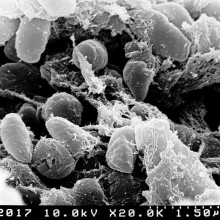
Researchers have for the first time mapped the genome of Yersinia pestis, the bacterium that caused the Black Death - the plague between 1347 and 1351 that killed up to 30 million people - 50% of the population of Europe at the time.
This bacterium is still around today and continues to cause cases of bubonic plague, the other name for the Black Death, though not with the same virulence or scale that it did in mediaeval times. Why? No one knows for sure.
One possibility is that the more ancient forms of the bacteria carried mutations or genetic changes that could account for their more aggressive behaviour.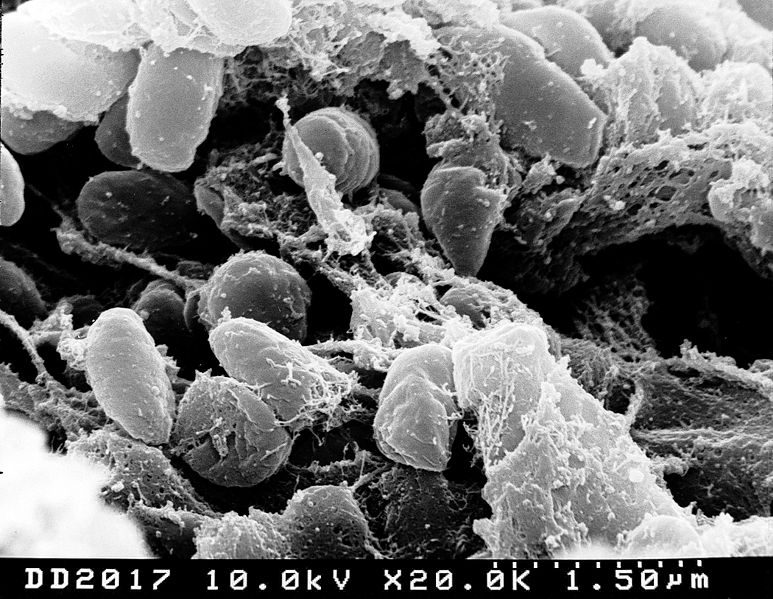
To find out whether this was the case, McMaster University scientist Kirsten Bos, together with colleagues in Germany, the US and Canada, looked at bacterial DNA extracted from teeth collected from four victims buried in 1348 in a "plague pit" in what is now East Smithfield in London.
The DNA they recovered from the teeth was in quite poor condition having been broken up by the passage of time into many short fragments. But by making millions of copies of the individual pieces and then using a computer to work out which bits overlapped with each other, they were nonetheless able to reassemble - for the first time - the complete genome of the chromosome of the 14th century strain of the bacterium as well as the sequences of two smaller rings of DNA, known as plasmids, that are also present in the bug's cells.
The big surprise for the scientists, when they compared the sequence of the 14th century Black Death strain with its milder, currently-circulating counterparts, was how few differences there were between them.
The results from the London victims also show that, by the time of the Black Death, the plague bacterium had only recently emerged in the human population - perhaps a century or so before the Black Death occurred; in fact, owing to the close relationship with strains from across the world, the scientists think the spread of the Black Death plague was the first main dissemination of the bacterium globally.
So if the Black Death strain of the bacterium is so similar to the Yersinia pestis isolated from plague sufferers today, why was the outbreak in the middle ages so devastating?
At the moment scientists don't know. It's clear that the bacterium is essentially the same, so something else must account for the increased past virulence. It may be that those who died historically had a genetic vulnerability to the bug, social or economic factors may have played a role. Maybe a second, different infection was co-circulating alongside the plague which boosted its transmission and virulence? Or perhaps climate or even the behaviour of the vector - the fleas on rats - that spread the disease had a role to play. Those are the questions that need to be addressed next.
17:14 - Need help? Ask a Child, Not a Chimp
Need help? Ask a Child, Not a Chimp
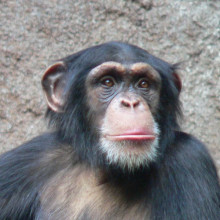
Children are more likely to seek assistance in a task than chimpanzees, suggesting that a motivation to work together could be part of what makes us "human". Writing in the journal Current Biology, Michael Tomasello from the Max Planck institute for Evolutionary Anthropology, in Leipzig, Germany, and colleagues Yvonne Rekers and Daniel Haun, wanted to test the idea that humans are more motivated to collaborate than our closest relatives, the Chimpanzees.
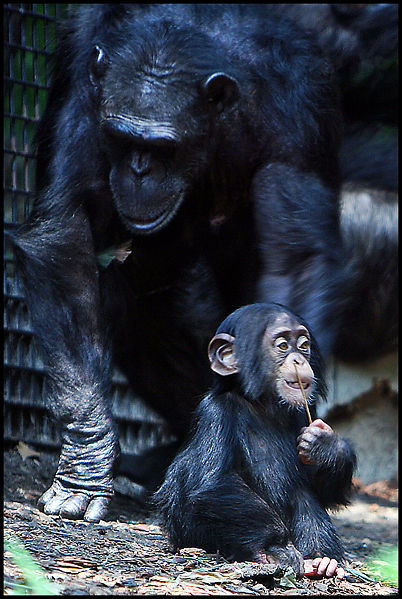 Both children and Chimps are known to collaborate. They recognize when they need help and actively recruit a partner to assist them. Chimps are also known to choose good collaborators over bad collaborators, so clearly possess the cognitive abilities to understand the need for, and the problems with, sharing a task. However, Chimps generally keep to themselves. They live in groups but most of their foraging is done individually, groups of males only rarely work together to hunt. This gave rise to a hypothesis that motivation, not ability, was behind human collaboration.
To test this, the researchers devised an experiment where the subject, a chimp or a child, could pull a board full of food into their chamber in one of two ways: Either alone; by pulling two ropes simultaneously, or collaboratively; pulling a rope in their chamber while a partner pulled the other. The partners were familiar animals - from the same social group for the Chimps, and the same kindergarten for the children. Both methods resulted in the same amount of food for both test subject and partner, ensuring there was no advantage to one over the other.
Human children chose to collaborate around 78% of the time, significantly more often than did the chimpanzees, only around 58%. This shows that the children chose to collaborate far more than would be expected by chance alone, while the chimps chose randomly.
So why would children prefer to collaborate? One hypothesis is that we have an innate drive for "fairness"; as the partner child was given the same amount of food regardless of whether they cooperated or not, they could be seen to be getting a "free ride" on the other child's efforts. To test this, the researchers devised a second test, where the partner child only received a food reward in secret. Despite this, the children still chose the collaborative board significantly more often than by chance alone.
This shows that children are more motivated to collaborate than Chimps. The authors speculate:
"Collaborative foraging may well have been a key behavioural domain in which humans evolved a suite of new proximate mechanisms, both cognitive and motivational, for collaborating with others in ways that eventually led to the many complexities of modern human societies."
They now propose similar experiments to compare different primate species and explore the evolutionary history of collaboration.
20:56 - Fighting Infections and Mimicking Muscles
Fighting Infections and Mimicking Muscles
with Robert Modlin, UCLA; Andrew Schwartz, University of Pittsburgh; Ray Baughman, University of Dallas at Texas; Marc Vendhoen, Babraham Institute
Using Vitamins to Fight TB
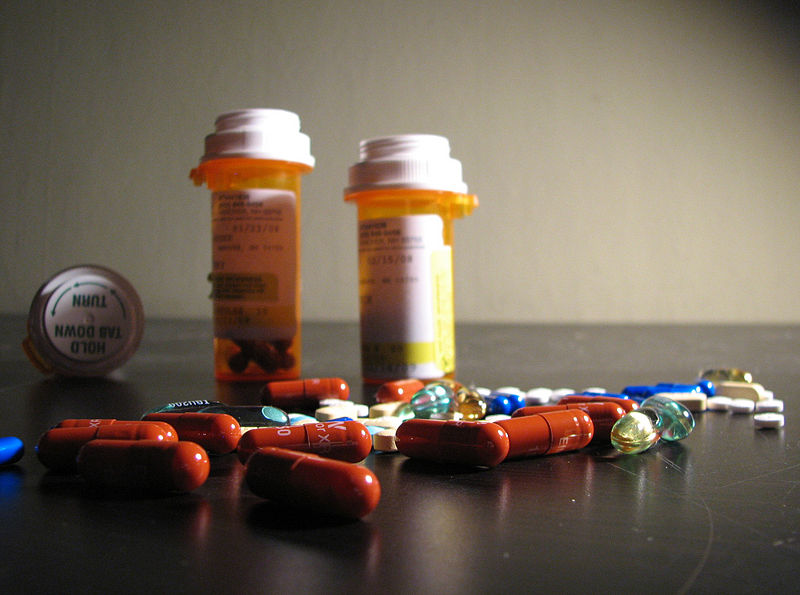 Vitamin D supplements could be used to fight Tuberculosis in at-risk populations.
Darker skinned communities are known to suffer from deficiencies in Vitamin D when living in Northern climates and as a result, are also more susceptible to infections such as TB. By Comparing groups of African-Americans and Caucasians, UCLA's Robert Modlin discovered the cause of this link to be a change in the immune system's ability to attack the TB bacteria. A change controlled by vitamin D.
Robert - When you go to the doctor and have your Vitamin D measured, that's the precursor form and that gets into the infected cell and if that cell becomes activated, it gets converted to the active form triggering antimicrobial peptides that kill the bacteria. What happens if your precursor level is low, you can't achieve high enough levels to trigger this antimicrobial mechanism and then you can't kill the bacteria. There's probably a correlation with the level of the Vitamin D in your blood and your risk of getting TB.
Brain Computer Interfaces to aid Prosthetics
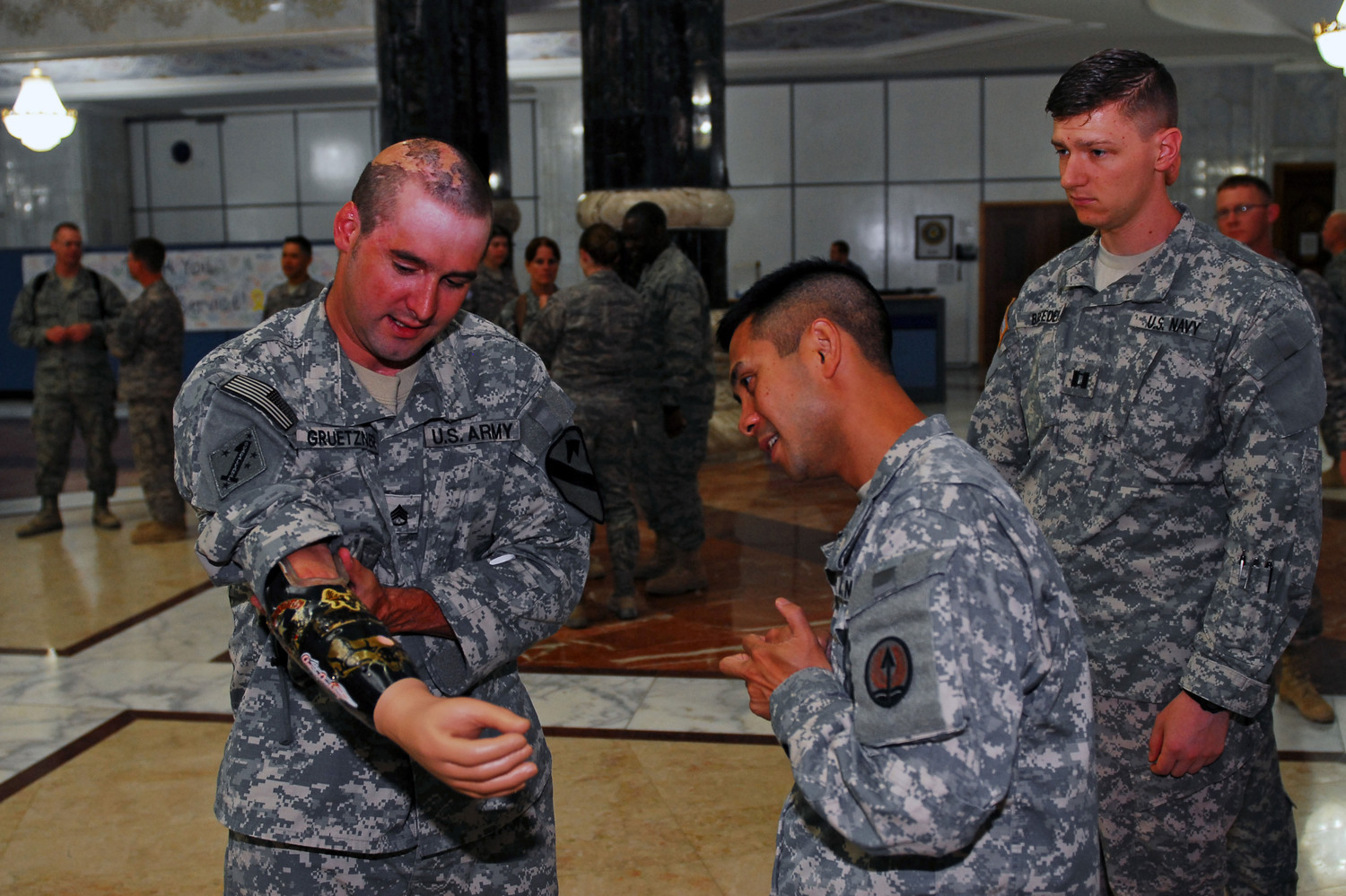
A brain-computer interface is enabling patients with spinal cord injury to move a prosthetic arm using their thoughts alone.
The technology, currently being trialled at the University of Pittsburgh School of medicine, uses electrodes to collect and decode signals in the brain directing an object, in this case a prosthetic, to move. A feedback loop is with the patient seeing they movement generated by their signals and correcting for any discrepancies.
Andrew Schwartz is leading the trial...
Andrew - There's been a big effort sponsored by the Defence Department of the US Government, and National Institute of Health to develop a very nice prosthetic device. This device has many of the capabilities of our own arm and hand. So we'd like to be able to get a rich enough control signal that we can operate that device. We'd like the subject to be able not only to reach out and grab things but to actually do dexterous tasks that require coordinated finger movements.
Another reason to eat your greens
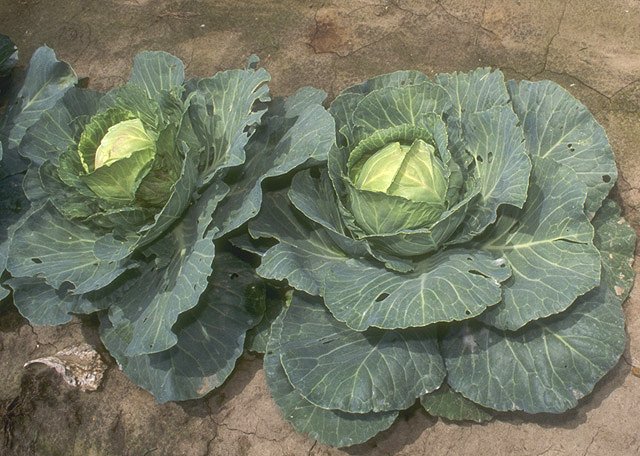 Eating your greens really does keep you healthy, by
keeping infections at bay.
Working with mice, Marc Veldhoen from the Babraham Institute found that reducing the amounts of cruciferous vegetables such as cabbage and broccoli in the diet over 2 weeks, caused a 70-80 percent decrease in intra-epithelial lymphocytes, or IELs. These are white blood cells found in the skin and the gut which are the first line of defence in the body.
With reduced levels of these cells the mice has fewer anti-microbial proteins and increased susceptibility to injury as these lymphocytes are needed for wound repair in addition to their role as a barrier from the outside world.
Marc - If you have reduced numbers of IELs, your intestine is much more prone to injury. You're much more prone to inflammation when the IEL numbers are reduced. The intra-epithelial lymphocytes express a receptors which is called the aryl hydrocarbon receptor to very high levels and compound found in green vegetables which is called indole-3 carbinol, creates a ligand which has very high affinity for this receptor. It's a very direct effect. If they don't have the component or they don't have the receptor then they don't survive.
Mimicking Muscles with Nanotubes
The twisting movements of muscles can be mimicked using
bundles of 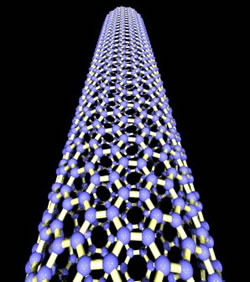 carbon nanotubes.
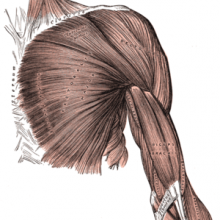
The strong, but stiff characteristics of these nanotubes have been manipulated by Ray Baughman and colleagues from the University of Texas at Dallas to create flexible yarns that twist rapidly when dipped into an electrolyte and injected with charge. They then untwist when the charge is removed. This rotation simulates that seen in elephant trunks, squid tentacles and human tongues.
Ray - Right now, people are imagining micron scale robots that do self-repair in the human body but in order to have such microrobots, perhaps in swarms, you need motors and our technology can provide a type of motor. Bacteria in nature use torsion to propel themselves. Our artificial muscles provide this type of torsion.
25:41 - Planet Earth Online - The Thugs of Nature
Planet Earth Online - The Thugs of Nature
with Rob Marrs, University of Liverpool
Sarah - Nettles, brambles, ivy, and bracken can be bit of a problem if you're a gardener not just because they sting, scratch, and tangle but because they can actually harm the diversity of woodlands. New research into these so called thug species, led by Rob Marrs from the University of Liverpool, suggest that they can even be more damaging than invasive plant species. Planet Earth Podcast presenter Richard Hollingham joined Rob for a walk through some woodland on the outskirts of Chester to find out more.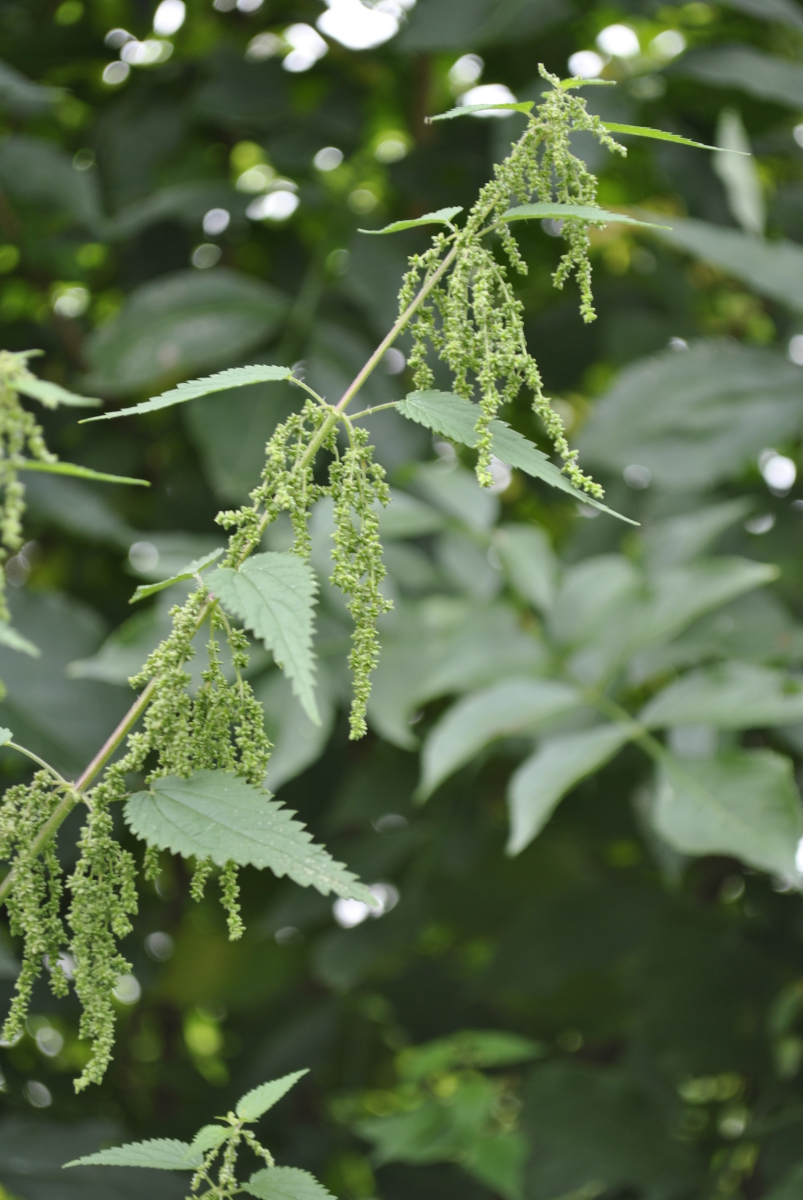
Rob - Well the two here are obvious, there's bramble which everyone likes in the Autumn because it provides good berries, and nettles of course which stings people. The issue with both of those is that they grow well, they produce a lot of biomass above ground and therefore they can shade out less competitive species. One of the other issues is of course that we are actually looking at this against a changing baseline of atmospheric nitrogen depositions. Over the last 50 years or so there has been an increase in nitrogen and this has actually provided a signal of change in species composition of the vegetation of Great Britain, and we tend to be finding species that respond to fertiliser out-competing other species.
Richard - So there are more of these thug species like the nettles and brambles, and actually, if you look through here, if you just crouch down, it's dense with those. Nothing much else there.
Rob - Well, that's true and what's actually happening in the wider countryside as opposed to just in the woodlands is we're seeing a process of biotic homogenization. Where, if you like, the many species that we used to have are being reduced, and we tend to be getting more species with the same traits - those that can grow fast, capture nutrients, and out-compete the other species, and in more or less all habitats we're seeing this trend.
Richard - I'm, intrigued about this idea of them being a thug. I mean they're not actively pushing other species out are they? Sort of barging them out of the way?
Rob - Well, we don't know that. We didn't come up with the name thug. We just thought it was quite interesting way to describe them. You could just call them dominant or over-dominant plants, which I think is probably my preferred wordage.
Richard - For us, walking through this woodland, we can walk down the central path. There are few smaller parts off. We can't get through this area of the brambles and nettles, it's too dense. So, it's a pain for us. This doesn't look quite so nice. But what's really the big deal with these sort of plants?
Rob - Well, I don't think whether they're in the way for humans or not is relevant. I'm quite happy to wander through here, or at least I get my students to do it, because that's just how woodlands are. These species out there particularly bramble and nettle, are not particularly pleasant to work with, but if you do need to walk through them, you just walk through them. The issue really is that they have the potential to displace other species and that's where our worry is. I mean, you could argue that it's preferably reasonable to just allow this process to happen. It's sort of natural, although we are probably enhancing it with the eutrophication that's coming from the atmosphere.
Richard - So there are more nutrients around?
Rob - More nutrients, yes. But also here, we have a lot of dog walkers, and although they pickup their faeces, the dogs are still urinating and will be adding nutrients to the vegetation, and that's enhancing the growth of these particular plants.
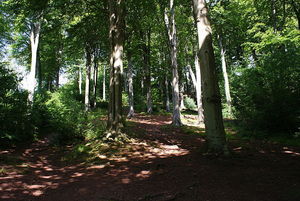 Richard - Well, actually we're seeing quite a few of dog walkers here. Is that why if you walk along this part, the nettles and these other thugs either side of the path do you think? Do you think that actually has an impact?
Rob - Well, that's one explanation. I mean, there's also possibly a bit more light in those areas but certainly, will or should at least enhance their growth, yes.
Richard - So when you look at the bigger picture here, these means that our woodlands are becoming less diverse?
Rob - Yes. Certainly if these species increase, then you would expect to see a reduction in woodland species diversity. On the other hand, if they reduce in the future there is a potential for diversity to increase.
Richard - So, what do we do about this? Do we do anything? Is this just a natural process or a semi-natural process so we should let woodland's get on with it?
Rob - Well, we can do that. The point that worries me is that if we lose too much of the diversity, we will have a much harder job to re-establish it in the future.
30:52 - Modelling Plant Disease
Modelling Plant Disease
with Chris Gilligan, University of Cambridge
Ben - It's estimated that the worldwide cost of crop disease is at least 200 billion dollars and that 10% of crop yield per year is lost to disease. For financial and humanitarian reasons therefore, it's obviously very important to find ways to control plant diseases. And to help us do that, we need to understand how diseases develop and spread. And for that, we rely partly on mathematical models. We're joined by Chris Gilligan, Professor of Mathematical Biology in the Department of Plant Sciences at Cambridge University. Chris, thank you ever so much for joining us and just to get a handle on this, what is the extent of plant disease say, compared with human disease?
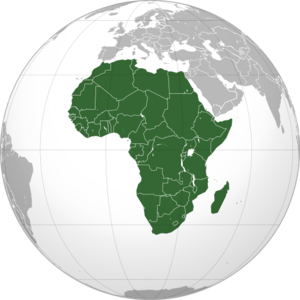
Chris - Well, let me answer that by recounting, I've just been to Kenya to have a look at what's happening there. And there, we have a number of diseases which are really very, very serious. So take for example, wheat which is a staple crop throughout the world. There is a very serious new strain of disease that is developing on wheat within Africa and is now spreading potentially worldwide. All of wheat worldwide is potentially susceptible to this particular disease. At the same trip, I also looked at the 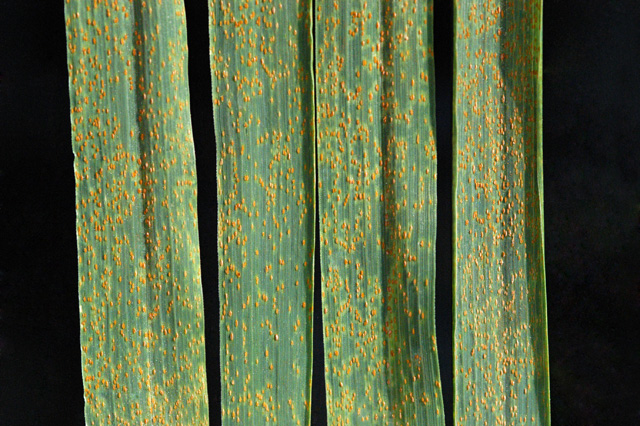 cassava diseases, where cassava is a very staple part of diets in large parts of Africa also, in South America and elsewhere. And two various diseases are really threatening the yield of this important staple crop, so they're extremely threatening.
Ben - Could this be a worldwide problem especially because there are lots of crops where we have sold the best cultivar all over the world. And so genetically, there's not actually as much variety from one country to the next, as you would expect if they had naturally spread.
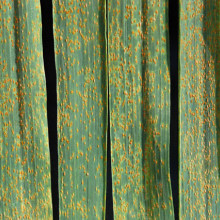
Chris - That's right. So, the job of plant breeders is to produce new varieties which are high yielding and also which are resistant to pests and diseases. If you have something that is working successfully, needless to say, everybody wants to have that. And so, there is a very strong driver - when you do have a successful variety for it to be widely grown. And that's exactly what has happened with wheat stem rust, the disease that I introduced briefly before, which has been controlled successfully for more than 30 years by essentially the same varieties but now, with a new strain arising. Essentially that strain is confronted with genetic homogeneity and so can spread very rapidly.
Ben - I've always heard that Cavendish bananas, the popular bright yellow banana that we get, that they're all essentially clones as well.
Chris - That's right and that's a very unstable situation in which to be in. And modern plant breeding, and modern epidemiology is actually looking very carefully at how we can increase the heterogeneity that is the variability in the types of cultivars that we're growing and then the real challenge is to work out what's the spatial distribution that one should have within a country, and then thinking worldwide in order to minimize the risk of disease spreading.
Ben - So, how do we go about modelling these diseases and what scales can we look at it? Can we do a worldwide model or do we have to keep to something a bit more regional?
Chris - Needless to say, we can do both but in essence what one does is look at - the particular region that one is interested in which may be a country and then look at - is the spread from country to country, that's known as spread in a metapopulation where a metapopulation essentially two subpopulations with epidemics occurring in each country, and then some reinforcement of movement of what we call an inoculum which is the material that gives rise to the disease from one country to another. The challenge is in deciding how we can set about using mathematical models to predict first of all, the spread of disease and secondly, then choose the models to optimise strategies for control is really - you're looking at a very messy system.
 You don't have very much information as the new pathogen arises. And so, what you're attempting to do is to get the signature for the spread of the epidemic. That's the signature of how does it spread over space and over time. To do that, we produced some maps though the maps are usually incomplete and then use some various statistical accounts, sometimes complicated statistical methods to identify really who infected whom or what infected what, and from that, one can then identify some of the key parameters that were influential in the spread of the disease.
Ben - I assume you can't just look at the species - you're looking at both species of pathogens, species of plants, and geography. You also have to look at other things like; the invasive species, reservoirs, the way that humans move plants around. There must be an awful lot to try and fit into those models.
Chris - The art of modelling is really to identify what is essential and to ignore what is not essential. So as soon as I talk to an expert who works on a particular disease or a particular crop, they can easily fill three pages of notes as to what ought to be important. As a modeller, I am not going to try and model three pages of notes worth of complicated potential interactions. What I do is identify what are the key processes and I indicated that the spread is very important, the transmissibility, so when the pathogen (which is the organism that causes disease) when that lands on a host, what's the chance that it can infect the host? You mentioned that there are different forms of spread. There may be hundreds of different forms of spread but the beauty of approaching this from a statistical and mathematical perspective is that these can be usually separated into one or two scales.
Ben - So, once we have our models - once you put all of this together, how can you actually use that to help predict or control, or put activities into place that will stop the spread of disease?
Chris - So having got the model, we've identified what we believe is responsible for the spread and that enables us then to predict future spread. There are another two directions in which one can go, the fastest to produce risk map which is saying, where's the disease most likely to spread to. Secondly, one may also produce what we call hazard maps, where hazard map is saying, if the disease were to enter a particular area - so for example, the wheat example I gave you before, has now spread from Africa through into Iran. What if it were to get into the Indian subcontinent, where will it spread most rapidly? And that's the function of a hazard map. Having got those risks and hazard maps, the next thing to do is to say; let's think about what methods we have for control which could be the deployment of chemicals but there won't be enough chemicals to apply everywhere. It could be the development of new resistant varieties and again, there won't be enough to apply everywhere initially. How do we optimise where we place those so that we minimise the risks of spread of the disease? And that's where the modelling helps because you run many of these 'what if'scenarios often taking and always indeed taking account of uncertainties because we don't know everything about the pathogen.
Ben - So these models should help us to make the intelligent decisions about what to do and about what do to with limited resources. Thank you ever so much. That's Professor Chris Gilligan from Cambridge University. And he will be with us for the rest of show so if you have any questions for him, then do please get in touch.
39:15 - Late summer browning with Leaf Miners
Late summer browning with Leaf Miners
with Emily Seward
Sarah - Now, everything is getting very autumnal outside now, not just the cold weather that's come upon us but you may have noticed that there's some horse-chestnut trees went brown along time before the other trees starts to. This is called late summer browning and is caused by the caterpillars of a leaf mining moth. First noticed in Macedonia in 1984, the leaf miner has been making its way across Europe. Emily Seward took me to find some caterpillars and see how they do so much damage.
Emily - So we're just walking along by the river here in Cambridge now and you can see its really dramatic, the trees that are healthy are still green. The other tree, all the brown trees, are the horse-chestnuts and they're really looking very unhealthy.
Sarah - Yes, they're looking pretty bad. I mean with - hundred meters away from these trees and you can already see that they just look dead.
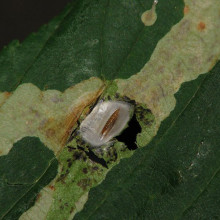
Emily - It looks like winter has surrounded just those leaves and just those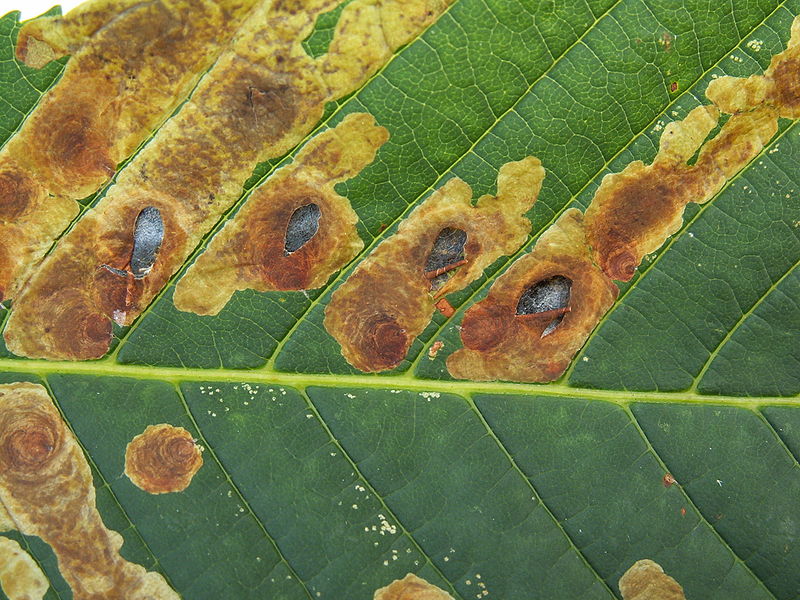 trees, and left the all the other ones intact. So if we go a little bit closer though, you can see that it's not a normal autumnal change. It's not the characteristic browning that you associate with late October or November, that sort of time. It's really turning brown in little patches and these little patches are cause by leaf miner larvae. And these are little larvae of moths that have burrowed in between the two layers of the skin of the leaf and have eaten away the leaf that are causing this brown lesions there.
Sarah - Wow! They look even worse close up. And there's these patchwork little spots and patches all over the leaves. Some of them going about yellow and then the rest of it goes a bit brown. And then some of them, they've been really badly affected; I suppose once the leaf miners have had their fill, they have actually just died because all of the inside of the leaf has just been eaten out. I don't really want to go any closer in case I get hit on the head by a conker.
Emily - And now we're being attacked by conkers, they're falling down on us as we speak, but they're not looking too bad. They're a little bit beaten up, but in general, they're quite in normal size. So the leaf miners aren't killing the trees, they're just reducing the amount of leaf area, so the amount of area that the plants can have to convert sunlight into sugar. And so, although it's not killing them, it is meaning they have less resources, they're more likely to get disease from other things and they have less energy to put into making the conkers.
Sarah - Shall we see if we can find leaves?
Emily - So Sarah is just pulling off a couple of leaves now. First of all, just hold it up against the light and you can actually see the larvae inside. You can see the outline of them just wriggling around in there. See look here, that one. It's moving around.
Sarah - Oh you can!
Emily - You can see it's like a little worm...
Sarah - Yes...
Emily - ...in between the two layers of the leaf.
Sarah - So it's like a little segmented caterpillar obviously because moths are related to butterflies, but it's about half a centimetre long maybe and sort of a beige colour with little black lines on it.
Emily - So if you peel back the upper layer.
 Sarah - I'm not sure I really want to peel it back and see it closer.
Emily - So Sarah is just using her nails to take off just the upper layer and you can see within the leaf itself is this larvae and it's wriggling around and there are lots of them. Each leaf has 10, 15 larvae in it, in these pockets protected inside.
Sarah - So it's kind of like between the top and bottom layers of the leaf. It's eating out the inside so it's got a nice little protective coating on the top, and a nice little protective coating on the bottom, so it's safe from predators, from birds that might want to come and eat them, and that sort of thing.
Emily - And it's got an easy food supply. It can just eat its way through the leaf and you can see it's sort of contained within the rib regions. It will cocoon and turn into a different developmental stage and overwinter like that, ready next spring to come out and eat more leaves.
Sarah - And do we think perhaps things like the harshness of the winter affects how much we see of the damage to the horse chestnuts?
Emily - These are actually very, very resistant to the cold. So they can survive really freezing temperatures so that's not going to affect them. It's very difficult to get rid of them so they weren't seen a couple of years ago. 2002 I think was the first sighting, and now they're everywhere. If you just look, you can see every tree that's brown at the moment is a horse-chestnut tree.
Sarah - Is there any hope in the future that we might be able to find some kind of treatment or some way of killing off the moths so that they can't lay their eggs so they develop into the leaf miner and eat more horse-chestnuts?
Emily - Well, it's really a good question and people are working on it at the moment but like you said it's little bit bleak that hidden from their nature predators like blue tits and that sort of thing. And though you can spray the trees with chemicals, that's also going to kill all the other insects and it's such a wide spread problem that people are finding it very difficult to take responsibility and actually clear up the problem. What you can do if you're worried about your horse-chestnut in your garden is you can collect up all of the leaves and burn them in a bonfire because that will kill the pupae that over wintering and hopefully reduce the number of moths the next year but it's really a much more wide scale problem. It's taken 10 years for people to really start noticing how widespread a problem it is now and so maybe in another 10 years, we will find a solution and we'll be back to having lush trees all year round until winter takes its natural toll.
Sarah - That was Emily Seward, introducing me to the horse-chestnut leaf miner caterpillar. And they are fairly easy to find and pretty gross.
44:54 - Insect Recruitment to keep Pests at Bay
Insect Recruitment to keep Pests at Bay
with Professor John Pickett, Rothamsted Research
Sarah - Insects can be a real problem to plants but they can also surprisingly be their salvation. Some plants actually recruit insects in order to keep other pests away. We are joined now by Professor John Pickett from Rothamsted Research. Thank you so much for joining us.
John - Hello
Sarah - So, how do plants do this and why on earth would they want to attract insects to them?
John - Well, all insects are attacked by other insects and so if you're a plant being attacked by one set then it's a neat trick to bring in insects that will attack your attacker. And that's just what the plants do. So, when the herbivorous insect starts to bite into the plant, chemical signals are produced which bring in predators but more particularly parasitic wasps which we call parasitoids because they actually kill their host. And they can do a really spectacular job normally, but they do it rather late and so if it's a crop you're wanting to protect, you've got to bring them in earlier.
Sarah - Are the plants able to be very specific to bring in just the right kind of parasitoid wasp or it just kind of sending out a distress signal and it calls all sort of things there?
John - Yes, at the moment a lot of plants attract specific parasitic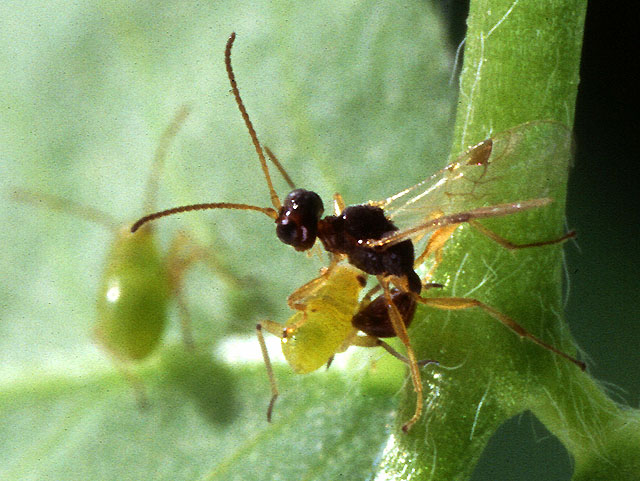 wasps. So the pea plant attracts in a particular wasp adapted entirely to feeding on that particular pea aphid. And in fact, the wasp can find the plant that is being fed on by just this host using particular chemicals associating with that interaction. Unfortunately, your horse-chestnut leaf miner is actually attracting quite a range of wasps. There's nothing really specific yet. We hope we'll get a very specific wasp for it eventually.
Sarah - And is it just insects that the plants look to for help? Do they recruit anything else like bacteria or fungi?
John - Yes, it's a more sophisticated process and less understood at the moment but we think it's probably true of other antagonistic organisms. These are multitrophic interactions and can get very complicated but I think we should stress that the parasitic wasps, they can do a spectacular job. They do it naturally but as I said, they do it rather late in the day and that's where some science and technology comes in to try and improve the way that they find their pests - our pests and their food.
Sarah - So, what sort of time scale are look at here? Are we looking at hours? Days?
John - Yes, as soon as the plant is fed upon by the herbivore the plants starts to go into various defensive modes. And it can in fact herbivore itself but if those processes start to take place as soon as the insect has bitten or has punctured, the cell sap system, as soon as that process starts to operate then these signals start to come out. And these could be picked up by the parasitic wasps on their own antenna in fact. And then they can start to forage for the host.
Sarah - And how do - does it affect just plant that's being munched on or does it affect the other plants around it?
John - Well very recently we, and various labs around the world, have found out that not only is the plant signalling to this sort of higher trophic level for help but it's also signalling to other plants particularly of the same species. And so it can switch on defence in adjacent plants prior to them being attacked.
Sarah - And you mentioned that science comes in to this to sort of bring down the time of response, how can we take advantage of this response in plants?
John - Well, we can try and breed it in. In fact, very recently we've  published a paper showing that the open-pollinating varieties of maize, the land raises of maze can do this kind of job really very well. They can even do it when the eggs are laid on their leaves by stem borer moths. And the eggs caused the plant to send out signals that attract in not just egg parasite but larval parasites. They're really smart these plants are. Now, we can breed that in but we need to know a little bit more about the chemistry, which we are working on at the moment, so we can give a very simple protocol for African maize breeders to use in choosing this trait. We also hope it will be useful back in hybrid maize which seems to lost this ability all together to make better hybrid maize varieties.
Sarah - So, is this something that we're already seeing going into production? Are we seeing trials of this sort of modified?
John - Well, we've already used plants that can do it but we haven't done any improvement of this using breeding. What we're doing at the moment in our own agricultural research programs is to try and use GM to give the parasites a better cue for coming in and looking for aphids in this case. So next year, we've just received field trial clearance to do some trials, after a very, very successful laboratory results on modifying wheat plant to produce the aphid alarm pheromone the thermo.
Now, this is a pheromone which is a signal from members of the same species which causes the aphids to disperse when they're attacked but it also attracts in these parasitic wasps. And so, we will actually have experimental plots with full GM containment next year, wheat that can produce not only a frightening signal for aphids but one which will attract in later birds as predators but more particularly parasitic wasps to attack the aphids as they try to build up their population and damage the crop.
Sarah - Well, it sounds like it could be really potentially good news for agriculture in the future. Thanks John. That's Professor John Pickett from Rothamsted Research
Are we modelling pathogen evolution?
Chris - That's a very important question. I hope Jen too means that it's credible as well as incredible work that goes on! It becomes very important to think if you are going to introduce genetic resistance or a chemical form of resistance to a pest or a pathogen - what's the pest or pathogen going to do? There will be strong selection pressure on the pest or pathogen to overcome that form of resistance or that form of chemical control. That's exactly what we're including in our models - the evolutionary changes. And so then, trying to predict what is the pathogen going to do next and get ahead.
Do many plants signal danger to their neighbours?
John - Yes, plants can do all kinds of things to defend themselves. Of course, some plants produce alkaloids as toxicants, but clever animals like the elephants and I believe also, like ourselves can actually take some enjoyment or entertainment from such plants. So the elephants can become a little dangerous when they've taken some of these alkaloids.
Ben - But does that also mean that you get a sort of patterning in a forest where you have the plant that was attacked, that then creates a ring of protected plant around it and then you have to go a few hundred metres before you get the next plant that gets attacked.
John - Yes, and if you bear in mind the fact that when the plants are being attacked, they can actually signal to plants next to them then you get a very, very complex situation building up. And indeed, Charles Darwin noticed that when plants were living in very complicated ecosystems, they produce generally more biomass than when we grow our traditional monocultures of a row of lettuce or a field of wheat.
Ben - Chris, is that something again that you could model, the way that these responses lead to patterning of vulnerable plants?
Chris - Absolutely, and indeed, we're looking at other spread of disease in natural systems at present, so this is away from crops where there's a disease called Sudden Oak Death which is threatening very large parts of California and is also causing a lot of damage in the UK. There, we're looking at what is the heterogeneity - once again, that word comes out very often - in the natural vegetation and how does the invasion by that pathogen actually change that too.
Do stressed plants produce beneficial chemicals?
John - Well, it's a little bit difficult to answer that question directly, but certainly, methyl salicylate, which is the chemical in the oil of wintergreen and which was of course related to the chemistry from which we got aspirin - an extremely useful chemical for most of us when we have a headache and so on - actually is produced under stress. So the plants are indeed producing something that is nominally useful to us, but don't forget that this is being done in an evolutionary context. If the plant, when it's attacked by us, with our hoe or with our scythe or with our herbicide, could do something to stop us actually making this deployment then of course, it would be doing very, very well. And in fact, plants will be seen by so-called perhaps epigenetic effects to avoid the blades of our lawnmower.
Can we catch a disease from a diseased plant?
Chris - Well, I think first of all most people should relax because they're very unlikely to catch diseases from plants because they will be immune to the sorts of pathogens that attack plants, but there are some exceptions. One example would be Aspergillus which a mould that grows on grain and that can be a very serious problem if people inhale the spores.
Ben - And this leads to Farmer's Lung, I think it's called, where you get these developments in the lung very much like asbestosis, you end up with a very serious lung disorder?
Chris - Correct.
Why are ants attracted to cherry plants?
John - Well ants of course are looking for food, particularly sugar. Though it would be nice to know which species and a little bit more about the botany but in general terms, some plants in fact will provide not just from the flowers, but they will provide false nectaries which give the ant some food and in return, the ants can stop other insects attacking the plant. Also, if there's any leakage of sap from the system whether you can see it or not, ants might be able to find that. If there are sucking insects feeding cryptically on the plants, you can't really see them, they may be producing honey dew. Aphids do this because they're simply looking for a bit of nitrogen. There isn't much in the sap that they feed on and so, their faeces is almost neat sugar, the honeydew, and of course, ants then come along, so the ants look after the aphids in that particular case. But by and large, the ants will look after the plant if it's offering them some reward. Ben - So you get ants that actually cultivate and encourage aphids? Surely, that's a huge problem for gardeners because you end up with an excess of aphids. John - Well, that's certainly true. But of course, the ant is in the business of keeping the aphid so that he can milk it. It doesn't really want it to destroy the plant otherwise there won't be any sugar coming in from photosynthesis. But some ants in fact have a very close relationship with plants and there are Secropia trees in Central America which provide the ants with a sort of living accommodation within the tree and when you pull a branch down, they all come out and attack you. So, these Azteca ants, so that's the genus. They really adapted the life to fit in exactly with the plant and it's of great benefit to that plant.
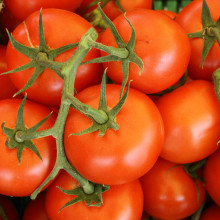
Can we prevent leaf miners in Tomato Plants?
John - Well, there are different kinds of insects that are called leaf miners, but the family that you were speaking about earlier with the horse chestnut leaf miner Cameraria ohridella, that family is the Gracillariidae and it may well be that that's the family that we have in Florida.
But the treatment is going to be the same whether it's a small fly larva or whether it's a moth larva that's doing the mining. And that is to use one of the newer insecticides, particularly Imidacloprid.
So you need to go to the hardware store or the garden centre and find in the small print, the active ingredient Imidacloprid and then that's the one to spray onto your plants. The reason I'm saying this particular chemical is it has some ability to penetrate the leaf and get through into where the leaf miner is.
Sarah - But there's no organic solution. It's definitely a case of using a pesticide?
John - Well I think you can pull the leaves off that have got the miners and burn them or eat them, but no, I'd prefer the burning I think really for tomato leaves, not so good to eating. I think cultivational methods probably don't work too well.
At the moment, we very much like to attract in parasitic wasps to attack the leaf miners because they can actually get into the mine and attack the leaf miners very efficiently. But we don't really have highly specialised parasites for some of these leaf miners, but in Florida they may have and so, it'd be worth consulting people about encouraging populations.
Perhaps you could grow some tomatoes that you might wish to sacrifice to keep a good population of the parasites to attack the leaf miners in your main stand.
Could we use pheromones as sprays to keep pests away?
John - We have the pheromone for the horse chestnut leaf miner. In fact, I can tell you what it is chemically if you'd really like to know. It's EZ 810 tetra-deca-dienal and this wonderful compound. This wonderful compound will attract males because it's actually produced by the female to attract males for mating, and so, you could mess up the way they find each other for that purpose. But you'd need to do it over a fairly big area of where the horse chestnut trees were, so you'd need to have this disruption of mating in a fairly extensive way. Otherwise, you'd have to use one of these chemicals which probably are not licensed for commercial use on such ornamental trees as horse chestnut. Even though they're available for home and garden use, are registered for that purpose specifically on vegetable plants.
Can plants get cancer?
Chris - It's an intriguing question. The best way, I think, to answer this is to try and read what's behind that question and I believe that it's getting at two aspects of disease. One is proliferation of cells. So do you get proliferation of cells in plants? Yes! Crown gall disease. There's a bacterium called Agrobacterium tumofaciens, which inserts DNA sequences into plant genomes to trigger cell proliferation causing these galls to form on trees. So that's a similarity.
Secondly, do you get spread of cancer-like diseases throughout the entire plant, in the same way that cancers can spread - or metastasise - in humans? Well, many diseases, and particularly viral diseases, can become - as we say - systemic and spread throughout the organism; so multiple "tumours" could form, but this is not the same as cancerous tissue itself moving from one place to another in an organism. So there are some similarities, but also some important differences.
Ben - So it's not quite as clear-cut. There are clearly similar problems but they're not really directly comparable to the system we see in humans for example.
Chris - That's correct.
Can we develop plants that will survive on Mars?
John - Well of course, terraforming on Mars would be a great idea. The popular thought is that it's a really dead planet and that it doesn't offer much for organisms. I did advance once an idea that we might dump activated sludge onto Mars. This has got all kinds of organisms in it, extremophiles, in the extreme in fact. Some of them might find a niche there, but in terms of life as we know it, you'd need various support systems already there - like water in a plentiful supply. While we're still debating where that is on Mars and whether there is sufficient, I don't think we can advance this. But certainly, if you did send there some extremophiles, they might be able to survive - if there are some of the basic necessities. And that could of course evolve into organisms that could make it more habitable, but I think the fact is that it really is dead as it would appear to us at the moment and in terms of whether it could support the kind of life as we know it.
Chris - One additional thought that I have in listening to what John has said there is of course, there are big challenges still to think about how we can get plants to grow in other areas on Earth particularly where drought is a major problem and the desert regions. So there is plenty to be done down here as well as thinking about up there.
John - Yes. I think that's a very, very good point that Chris makes. In fact, we've just started an EU funded program in which we will find plants growing in arid regions in Africa which will then allow us to accept aridification in regions where we're already seeing some problems with increased drought. These will be plants that are used as companion plants to protect the main crops from pests and disease. We're even involving local people in this with citizen botanists, looking around for the kind of plants that might be useful.
Ben - It must be really useful to have salt tolerant plants as well because obviously, supply of freshwater is a problem in large parts of the world.
John - Yes and quite a lot of work is being done of course in transferring the traits from already salt tolerant plants to plants that we might more easily recognise as crop plants and that will involve various new technologies. Of course, including GM.
Should I destroy an infected orchid?
Chris - The short answer to this is almost certainly yes. We don't know what the particular virus is that the question is asking about, but essentially, we're thinking about a pathogen that can spread from plant to plant and therefore, if you do have an infected plant, the very sensible thing to do is to remove it.

64:52 - Why don't black holes explode once they lose enough mass?
Why don't black holes explode once they lose enough mass?
We put this question to Andrew Pontzen...
Andrew - I'm Andrew Pontzen. I'm a research fellow at the Kavli Institute for Cosmology at the University of Cambridge.
The picture the question paints is that we have this black hole and Hawking radiation is making that black hole shrink slowly until the black hole gets to below some critical mass and then suddenly it is not a black hole anymore and an explosion follows.
That's not quite an accurate picture because, actually, there isn't critical minimum mass for black hole. It is more to do with the density of the matter. It's about packing matter in really tightly and so it's even possible to have sort of microscopic black holes.
So what actually happens is that a black hole never stops being a black hole. Once you've formed a black hole, that object is going to stay a black hole.
But Hawking radiation does slowly eat away at the mass in a black hole and in fact, the prediction is that a black hole should radiate faster and faster as it becomes smaller and smaller.
So, right at the end, as a black hole becomes tinier and tinier, we do expect that to be sort of energetic pop at the very end of its life as the black hole shrinks away to nothing and emits a final burst of very intense radiation.
So, there is sort of a bit of an explosion right at the end, but that's not because it's reached a minimum mass. It's just because it's radiating away energy faster and faster.






Comments
Add a comment